

How Focused Ultrasound Technology Works
Focused ultrasound represents a different way of treating prostate tissue. Rather than using sound waves only to create diagnostic images, therapeutic ultrasound concentrates acoustic energy

How Leading Clinics Personalize Prostate Cancer Treatment Plans
No two prostate cancer diagnoses are exactly alike. Two patients may have similar prostate-specific antigen levels yet have cancers with different grades, locations, growth patterns,
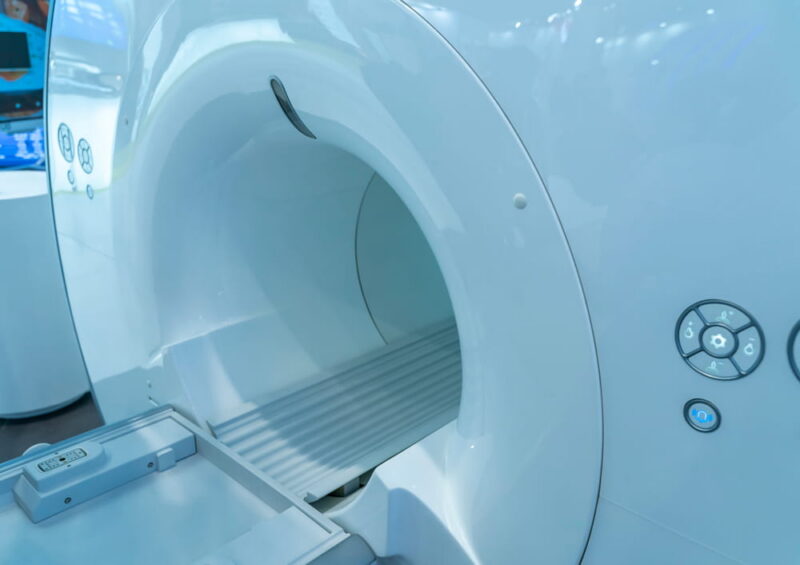
How TULSA Pro® Supports Long-Term Quality of Life
Choosing a prostate treatment is rarely based on disease control alone. Many patients also want to understand how treatment could affect urinary comfort, sexual function,
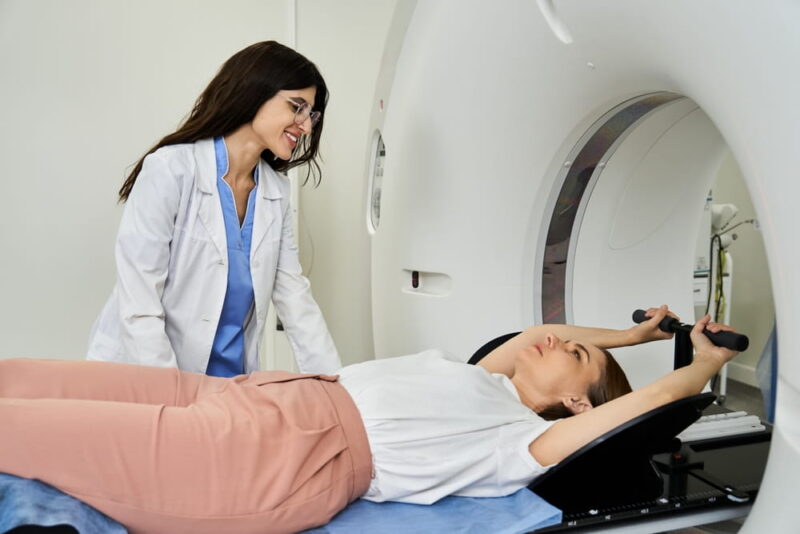
The Advantage of MRI-Guided Therapy Over Blind Treatment Approaches
Prostate treatment requires a careful balance between addressing the intended tissue and protecting the structures responsible for urinary, sexual, and bowel function. Because the prostate

Comparing TULSA Pro® and HIFU for Prostate Treatment
Men researching focused ultrasound treatment for prostate conditions may encounter two frequently discussed technologies: TULSA Pro® and HIFU. Both use concentrated ultrasound energy to heat

How Lifestyle Habits May Support Prostate Health
Maintaining prostate health is a priority for men, especially as they age. At Texas Prostate in Farmers Branch, TX, located in the Dallas-Fort Worth Metroplex

Why Early Detection Matters for Prostate Cancer
Early detection of prostate cancer is one of the most critical factors in achieving successful treatment outcomes. At Texas Prostate in Farmers Branch, TX, located

The Benefits of Targeted Prostate Cancer Treatment
Targeted prostate cancer treatment is transforming how men manage localized disease. At Texas Prostate in Farmers Branch, TX, located in the Dallas-Fort Worth Metroplex area,

Understanding Localized Prostate Cancer
Localized prostate cancer refers to cancer that is confined within the prostate gland and has not spread to nearby tissues or distant organs. At Texas

How Prostate MRI Helps Guide Modern Treatment Decisions
Prostate MRI has become a pivotal tool in modern prostate care, providing detailed imaging that helps clinicians make informed treatment decisions. At Texas Prostate in

What Makes Concierge-Style Prostate Care Different
Concierge-style prostate care is redefining how men approach their health, particularly in specialized clinics like Texas Prostate in Farmers Branch, TX, located in the Dallas-Fort

How Enlarged Prostate Symptoms Affect Daily Life
Benign prostatic hyperplasia (BPH), commonly known as an enlarged prostate, affects many men as they age. At Texas Prostate in Farmers Branch, TX, located in

Focused Ultrasound vs Traditional Prostate Cancer Treatments
Prostate cancer treatment has evolved significantly over the past few decades. At Texas Prostate in Farmers Branch, TX, located in the Dallas-Fort Worth Metroplex area,

How Age Affects the Prostate in Men Over 50
As men age, their bodies undergo a variety of changes, and the prostate is no exception. At Texas Prostate in Farmers Branch, TX, located in

Why More Patients Are Exploring Minimally Invasive Prostate Treatments
Prostate care has undergone a significant transformation in recent years, with a growing emphasis on treatments that prioritize both effectiveness and quality of life. At

What to Expect During a TULSA Pro® Procedure
Advancements in prostate care have introduced new treatment options that focus on precision, comfort, and faster recovery. At Texas Prostate in Farmers Branch, TX, located

The Role of PSA Testing in Monitoring Prostate Health
Prostate health is a key component of overall well-being for men, particularly as they age. At Texas Prostate in Farmers Branch, TX, located in the

How to Select the Appropriate Diagnostic Tests to Determine Your Eligibility for TULSA
Selecting the right diagnostic tests is one of the most critical steps in determining whether a patient is a suitable candidate for the TULSA Procedure,

Early Signs of Prostate Cancer Men Should Not Ignore
Prostate cancer is one of the most common cancers affecting men, and early detection plays a critical role in improving outcomes and expanding treatment options.
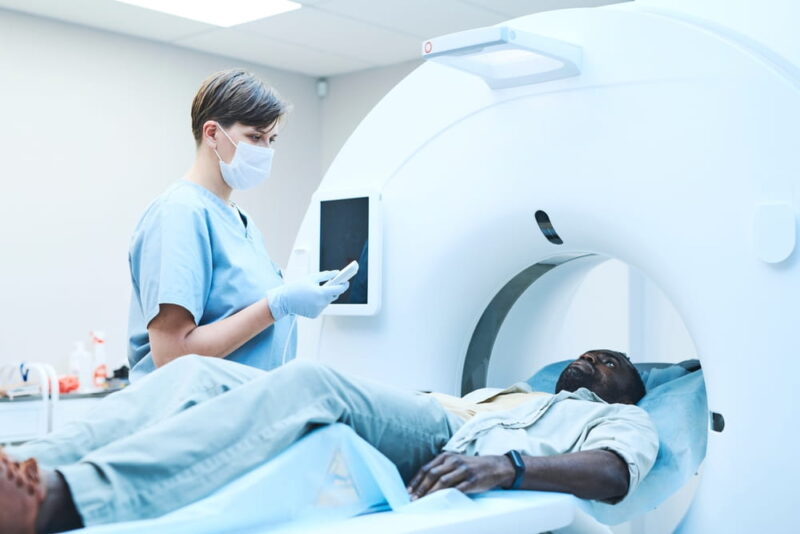
How MRI-Guided TULSA Pro® Targets Prostate Tissue With Precision
Advancements in medical technology are reshaping how prostate conditions are treated, with a growing emphasis on precision and patient-centered outcomes. At Texas Prostate in Farmers