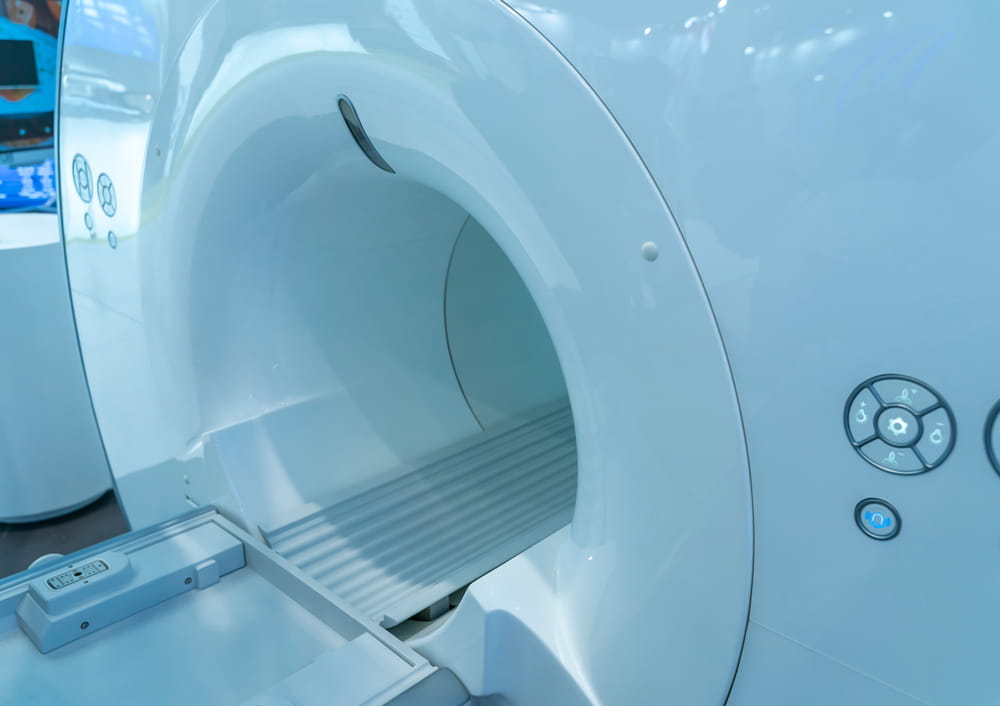

Advancements in prostate care have introduced new treatment options that focus on precision, comfort, and faster recovery. At Texas Prostate in Farmers Branch, TX, located in the Dallas-Fort Worth Metroplex area, these innovations reflect a broader shift toward patient-centered approaches. One of the most advanced options available today is the TULSA Pro® procedure, a minimally invasive treatment that uses focused ultrasound guided by MRI to target prostate tissue with exceptional accuracy.
Understanding what to expect during this procedure can help reduce uncertainty and allow patients to feel more prepared. From initial preparation to post-treatment recovery, each step is carefully designed to ensure safety, precision, and a smoother overall experience. By learning about the process in advance, patients can approach treatment with greater confidence and clarity.
Preparing for the TULSA Pro® Procedure
Pre-Procedure Evaluation
Preparation for a TULSA Pro® procedure begins with a comprehensive evaluation. This typically includes imaging, lab work, and a detailed review of medical history to ensure that the treatment plan is tailored to the patient’s specific condition. Advanced imaging, such as MRI, plays a critical role in mapping the prostate and identifying the exact areas that require treatment.
For more detailed information about how the therapy works, the Tulsa Procedure outlines the fundamentals of this focused ultrasound approach. This preparation phase is essential for ensuring that the procedure is both safe and effective, as it allows clinicians to create a customized plan based on the patient’s anatomy and treatment goals.
Getting Ready for Treatment Day
In the days leading up to the procedure, patients may receive specific instructions to help prepare. These can include guidelines related to eating, medications, and general health considerations. Following these instructions carefully helps ensure that the procedure can be performed smoothly and without complications.
Patients are also encouraged to ask questions and discuss any concerns during this time. Being informed about what will happen on the day of treatment can help reduce anxiety and create a more positive experience overall. Preparation is not only physical but also mental, as understanding the process can make a meaningful difference in how patients approach the procedure.
What Happens During the Procedure
Step-by-Step Overview
The TULSA Pro® procedure is performed in a specialized clinical setting using advanced MRI technology. During the treatment, a device is gently inserted into the urethra, which allows for the delivery of directional ultrasound energy directly to the prostate. This energy is used to heat and destroy targeted tissue with a high degree of precision.
MRI guidance is used throughout the procedure to provide real-time imaging and temperature monitoring. This ensures that the treatment is delivered exactly as planned and allows for adjustments as needed. The ability to see and control the process in real time is one of the defining features of TULSA Pro®, contributing to both its safety and effectiveness.
Precision and Control in Real Time
One of the most remarkable aspects of the procedure is the level of control it offers. Clinicians can monitor temperature changes within the prostate and surrounding tissues, ensuring that only the intended areas are treated. This minimizes the risk of damage to nearby structures and supports better preservation of normal function.
The procedure is designed to be minimally invasive, with no surgical incisions required. This approach reduces the physical impact on the body and contributes to a more comfortable experience for the patient. The combination of advanced imaging and controlled energy delivery makes TULSA Pro® a highly precise treatment option.
After the Procedure: Recovery and Follow-Up
Immediate Recovery
Following the procedure, patients are typically monitored for a short period to ensure that they are recovering well. Because TULSA Pro® is minimally invasive, many individuals experience less discomfort compared to traditional surgical treatments. Recovery times can vary, but most patients are able to return to normal activities relatively quickly.
Some temporary side effects may occur as the body heals, but these are generally manageable and resolve over time. Patients are provided with guidance on what to expect during the recovery period and how to care for themselves as they heal. This support helps ensure a smoother transition back to daily life.
Ongoing Monitoring
Follow-up care is an important part of the treatment process. Patients may undergo additional imaging or lab tests to evaluate the effectiveness of the procedure and monitor for any changes. This ongoing assessment helps ensure that treatment goals have been met and allows for timely intervention if needed.
For additional insight into the overall journey, the Patient Experience provides helpful information about what individuals may encounter before, during, and after treatment. Understanding the full scope of care can help patients feel more confident and prepared.
Benefits of the TULSA Pro® Experience
The TULSA Pro® procedure offers several benefits that make it an appealing option for many patients. Its minimally invasive nature reduces the risk of complications and shortens recovery time, allowing for a quicker return to normal activities. The absence of surgical incisions also contributes to a more comfortable experience.
Another key advantage is the precision of the treatment. By targeting only the necessary areas, TULSA Pro® helps preserve surrounding healthy tissue and maintain important functions such as urinary control. This focus on quality of life is a central aspect of modern prostate care.
Additionally, the procedure is highly customizable, allowing clinicians to tailor treatment to each patient’s unique needs. This personalized approach ensures that care is aligned with individual goals and medical considerations, providing a more patient-centered experience.
How TULSA Pro® Compares to Other Options
When considering treatment for prostate conditions, it is important to understand how different approaches compare. TULSA Pro® stands out for its combination of precision, real-time monitoring, and minimally invasive delivery. These features distinguish it from more traditional methods that may involve broader treatment of the prostate.
Another focused ultrasound option is HIFU, which also uses targeted energy to treat prostate tissue but delivers it through a different approach. Both methods highlight the growing role of focused ultrasound in providing effective, less invasive alternatives for prostate care.
Exploring these options and understanding their differences can help patients make informed decisions about their treatment. Each approach offers unique advantages, and the best choice depends on individual factors such as diagnosis, anatomy, and personal preferences.
Moving Forward with Confidence
Facing a prostate condition can be challenging, but understanding the treatment process can make a significant difference. The TULSA Pro® procedure offers a modern, precise, and patient-focused approach that aligns with today’s healthcare priorities. By knowing what to expect, patients can approach treatment with greater confidence and peace of mind.
Taking an active role in learning about available options is an important step in achieving the best possible outcomes. With continued advancements in technology and care, patients have more opportunities than ever to choose treatments that fit their needs and lifestyle.
In conclusion, the TULSA Pro® procedure represents a significant advancement in prostate care, offering a precise and minimally invasive treatment experience. At Texas Prostate in Farmers Branch, TX, within the Dallas-Fort Worth Metroplex area, this approach reflects a commitment to innovation, patient comfort, and informed decision-making.
Resources
Chin, J. L., et al. (2016). MRI-Guided Transurethral Ultrasound Ablation of Prostate Tissue. European Urology.
Raman, S. S., et al. (2019). Advances in MRI-Guided Prostate Therapies. Radiologic Clinics of North America.
National Cancer Institute. (2022). Prostate Cancer Treatment (PDQ®)–Patient Version.