
Prostate care has undergone a significant transformation in recent years, with a growing emphasis on treatments that prioritize both effectiveness and quality of life. At Texas Prostate in Farmers Branch, TX, located in the Dallas-Fort Worth Metroplex area, this shift reflects a broader trend in healthcare where patients are seeking options that align with their personal needs and lifestyles. Minimally invasive prostate treatments are at the forefront of this change, offering innovative solutions that reduce physical impact while maintaining strong clinical outcomes.
This evolution is driven in part by increased awareness and access to advanced medical technologies. Patients today are more informed and proactive, often researching their options and seeking alternatives to traditional approaches. As a result, minimally invasive therapies are gaining attention for their ability to deliver targeted treatment with fewer disruptions to daily life.
What Defines Minimally Invasive Treatment?
Key Characteristics
Minimally invasive prostate treatments are designed to treat conditions such as prostate cancer or benign prostatic hyperplasia (BPH) with reduced physical trauma to the body. Unlike traditional procedures that may involve large incisions or extensive tissue removal, these approaches use advanced tools and techniques to target specific areas with precision.
Common characteristics include the use of imaging guidance, smaller or no incisions, and highly controlled energy delivery systems. These features allow clinicians to focus on the affected tissue while preserving surrounding structures. The result is a treatment experience that is often more comfortable and associated with fewer complications.
Examples of Modern Techniques
Focused ultrasound therapies are among the most notable examples of minimally invasive prostate treatment. Techniques such as the Tulsa Procedure (Transurethral Ultrasound Ablation) and HIFU (high-intensity focused ultrasound) use sound waves to precisely target and treat prostate tissue.
These methods rely on advanced imaging and real-time monitoring to ensure accuracy throughout the procedure. By concentrating energy only where it is needed, they minimize the impact on healthy tissue and support better preservation of normal function. This level of precision is a defining feature of minimally invasive care.
Benefits Driving Patient Interest
One of the primary reasons patients are exploring minimally invasive treatments is the range of benefits they offer. These approaches are designed to reduce the physical and emotional burden of treatment while still delivering effective results. For many patients, this balance is a key factor in their decision-making process.
Shorter recovery times are a major advantage. Because minimally invasive procedures cause less disruption to the body, patients can often return to their normal routines more quickly. This is particularly important for individuals who want to maintain their work, family responsibilities, and overall lifestyle during treatment.
Another significant benefit is the reduced risk of side effects. By preserving surrounding tissues and structures, these treatments help minimize complications such as urinary incontinence or sexual dysfunction. This focus on quality of life is a central reason why more patients are considering minimally invasive options.
The Role of Technology in Advancing Care
Real-Time Imaging and Precision
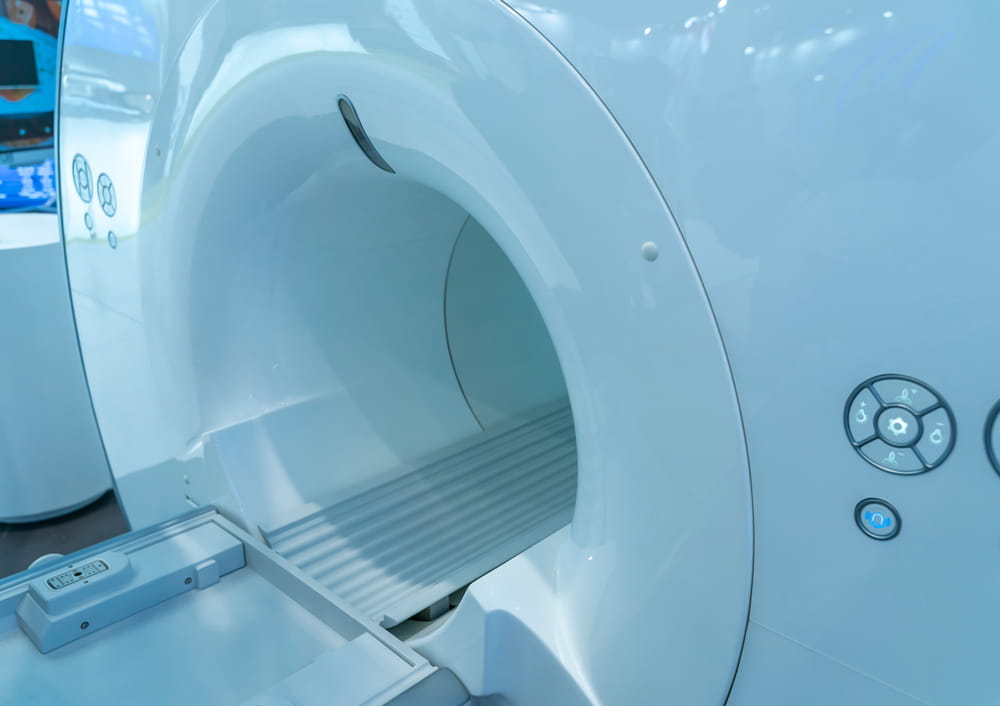
Technological advancements have played a critical role in the rise of minimally invasive prostate treatments. Modern imaging tools, such as MRI and ultrasound, allow clinicians to visualize the prostate in detail and guide treatment with exceptional accuracy. This real-time feedback ensures that therapy is delivered exactly where it is needed.
The integration of imaging with treatment systems creates a highly controlled environment. Clinicians can monitor progress, adjust parameters, and respond to changes during the procedure. This level of precision enhances both safety and effectiveness, making minimally invasive treatments a reliable option for many patients.
Personalized Treatment Planning
Another important aspect of modern prostate care is personalization. Minimally invasive treatments are often tailored to the individual, taking into account factors such as prostate size, tumor location, and overall health. This customized approach ensures that each patient receives care that aligns with their specific needs and goals.
By focusing on individualized treatment plans, healthcare providers can optimize outcomes and improve patient satisfaction. This shift toward personalized care is a key driver behind the growing popularity of minimally invasive therapies.
Patient Experience and Quality of Life
A More Comfortable Treatment Journey
The patient experience is a central consideration in modern prostate care, and minimally invasive treatments offer meaningful improvements in this area. Procedures are typically performed in a controlled clinical setting and often do not require extended hospital stays. This reduces the overall disruption to a patient’s life and contributes to a more positive experience.
Patients frequently report less discomfort during and after treatment compared to more invasive options. The combination of precision and reduced physical impact leads to a smoother recovery process, which can have a significant effect on emotional well-being as well as physical health.
Long-Term Benefits
Beyond the immediate advantages, minimally invasive treatments also support long-term quality of life. By preserving important functions and reducing the risk of complications, these approaches help patients maintain their independence and daily routines. This long-term perspective is an important factor in treatment decisions.
For those interested in understanding the full journey, the Patient Experience offers valuable insights into what individuals may expect before, during, and after treatment. Having a clear understanding of the process can help patients feel more prepared and confident in their choices.
Changing Patient Expectations in Prostate Care
As awareness of minimally invasive options continues to grow, patient expectations are evolving. Many individuals are no longer willing to accept treatments that significantly impact their quality of life if less invasive alternatives are available. This shift is encouraging healthcare providers to adopt and refine innovative approaches that meet these expectations.
Patients are also placing greater value on being active participants in their care. They are seeking information, asking questions, and exploring multiple options before making decisions. This informed approach leads to more personalized care and better alignment between treatment plans and patient priorities.
The increasing demand for minimally invasive treatments reflects a broader cultural shift toward proactive and informed healthcare. As patients continue to advocate for themselves, the healthcare system is adapting to provide more options and greater transparency.
Looking Ahead: The Future of Minimally Invasive Prostate Treatment
The future of prostate care is closely tied to ongoing innovation in minimally invasive technologies. Researchers and clinicians are continually working to improve precision, expand treatment capabilities, and enhance patient outcomes. These advancements are expected to further solidify the role of minimally invasive therapies in prostate treatment.
Emerging technologies, combined with growing clinical experience, are likely to make these treatments even more effective and widely available. As a result, more patients will have access to options that prioritize both health and quality of life.
In conclusion, the growing interest in minimally invasive prostate treatments reflects a significant shift in how prostate conditions are managed. At Texas Prostate in Farmers Branch, TX, within the Dallas-Fort Worth Metroplex area, this trend highlights the importance of innovation, patient-centered care, and informed decision-making in achieving better outcomes and improved quality of life.
Resources
Ahmed, H. U., et al. (2015). Focal Therapy for Localized Prostate Cancer. Journal of Urology.
Valerio, M., et al. (2017). The Role of Focal Therapy in Prostate Cancer Management. European Urology.
National Cancer Institute. (2022). Prostate Cancer Treatment (PDQ®)–Patient Version.