
Early detection of prostate cancer is one of the most critical factors in achieving successful treatment outcomes. At Texas Prostate in Farmers Branch, TX, located in the Dallas-Fort Worth Metroplex area, educating men about early detection can significantly impact their long-term health. When prostate cancer is diagnosed at an early, localized stage, a wider range of treatment options is available, including minimally invasive therapies that can effectively target cancer while preserving function and quality of life.
Prostate cancer often progresses silently in its early stages, meaning men may not experience noticeable symptoms until the disease has advanced. This asymptomatic nature underscores the importance of regular screenings and routine evaluations. Early detection allows clinicians to intervene before the cancer spreads, reducing the need for more aggressive treatments and lowering the risk of complications.
Screening and Monitoring
PSA Testing and Digital Exams
Prostate-specific antigen (PSA) testing and digital rectal exams (DRE) are standard tools for early detection. PSA testing measures levels of a protein produced by the prostate, which can indicate the presence of cancer or other prostate conditions. Digital rectal exams allow clinicians to physically assess the prostate for abnormalities in size, shape, or texture.
For men over 50, or those with increased risk factors such as family history or African American ancestry, regular PSA testing and DREs are recommended. Monitoring PSA trends over time helps identify abnormal changes early, allowing clinicians to evaluate whether further imaging or biopsy is needed. Early detection through these tools is often the difference between localized treatment and more extensive interventions.
Advanced Imaging
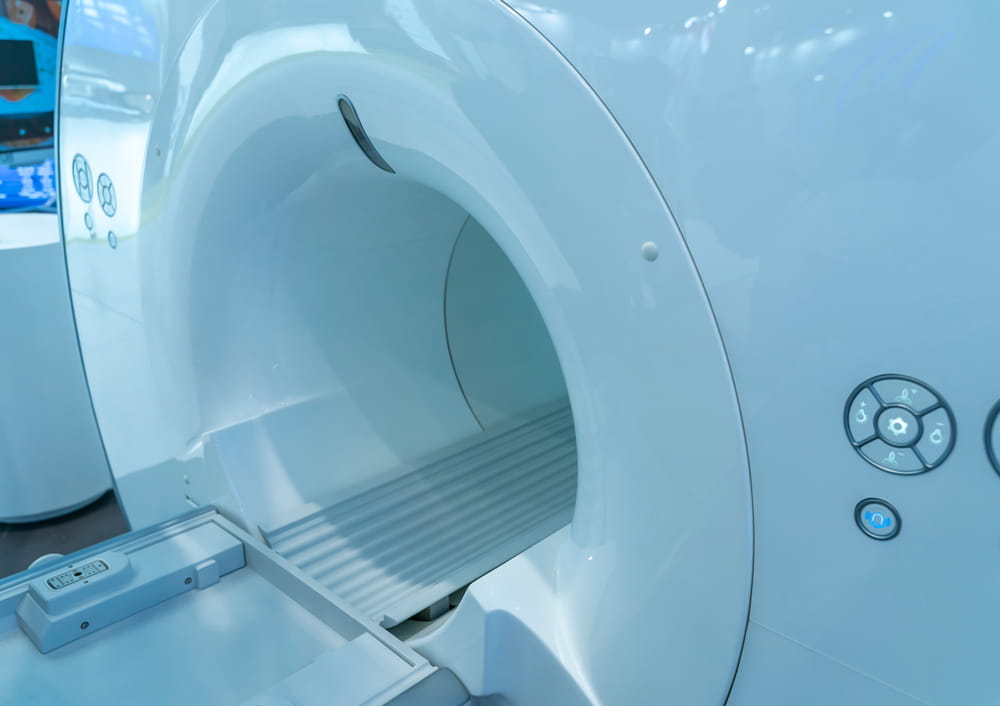
Modern imaging techniques, such as multiparametric MRI, provide additional precision in detecting and evaluating prostate cancer. MRI can identify areas of concern within the prostate that may not be evident through PSA testing or standard imaging. This enhanced accuracy supports targeted biopsies and guides precise treatment planning, ensuring that therapy addresses only the affected tissue.
Imaging also helps in monitoring patients on active surveillance, allowing for early identification of tumor progression. This proactive approach enables timely treatment while minimizing unnecessary interventions.
Benefits of Early Detection
Expanded Treatment Options
Detecting prostate cancer early allows for a broader array of treatment choices. Men may be candidates for minimally invasive therapies, such as the Tulsa Procedure or HIFU, which target cancerous tissue with precision. Early-stage cancers may also be managed with active surveillance in selected cases, allowing men to avoid immediate intervention while maintaining close monitoring.
Early detection expands the possibility of personalized treatment, focusing on both effectiveness and preservation of urinary and sexual function. This approach reduces the likelihood of significant side effects and supports better long-term quality of life.
Improved Prognosis and Survival
The earlier prostate cancer is identified, the more favorable the prognosis. Localized cancers are more likely to be treated successfully, with a higher probability of complete eradication or long-term control. Early intervention also reduces the risk of metastasis, where cancer spreads to other parts of the body, which is associated with more complex and less predictable treatment outcomes.
Timely detection allows clinicians to act proactively, providing therapies that maximize tumor control while minimizing unnecessary procedures. This proactive approach improves both physical health and peace of mind for patients.
Supporting Quality of Life
Beyond physical outcomes, early detection has significant implications for emotional well-being. Men who detect cancer early often experience reduced anxiety compared to those diagnosed at more advanced stages. Knowing that cancer is localized and that effective, minimally disruptive treatments are available can greatly alleviate stress and uncertainty.
Patient education and support, such as resources from the Patient Experience, help men understand what to expect from screening, diagnosis, and treatment. Feeling informed and prepared enhances confidence and engagement in care, contributing to better overall outcomes.
Encouraging Proactive Health Management
Early detection emphasizes the importance of proactive healthcare. Men are encouraged to understand their personal risk factors, participate in routine screenings, and communicate openly with healthcare providers. Proactive management not only improves outcomes but also fosters a collaborative relationship between patients and clinicians, ensuring that care aligns with individual goals and lifestyle preferences.
Clinicians can use early detection as a foundation for personalized care plans that combine monitoring, minimally invasive therapy, and lifestyle guidance. This comprehensive approach strengthens both clinical outcomes and quality of life.
Conclusion
Early detection is a cornerstone of effective prostate cancer management. At Texas Prostate in Farmers Branch, TX, within the Dallas-Fort Worth Metroplex area, identifying cancer at its earliest stage allows for precise, minimally invasive treatment, improved prognosis, and preservation of quality of life. By prioritizing screenings, monitoring, and education, men can take control of their prostate health and achieve better long-term outcomes.
Resources
Carter, H. B. (2018). American Urological Association Guidelines on Prostate Cancer Detection. Journal of Urology.
National Cancer Institute. (2022). Prostate Cancer Screening (PDQ®)–Patient Version.
Ahmed, H. U., et al. (2015). Focal Therapy for Localized Prostate Cancer. Journal of Urology.