Targeted prostate cancer treatment is transforming how men manage localized disease. At Texas Prostate in Farmers Branch, TX, located in the Dallas-Fort Worth Metroplex area, precision therapies focus on treating cancerous tissue while minimizing impact on healthy prostate structures. Unlike traditional treatments such as radical prostatectomy or broad radiation therapy, targeted approaches use advanced imaging and energy-based technologies to concentrate therapy exactly where it is needed.
This precision is particularly important in preserving critical functions. Targeted treatment reduces the risk of urinary incontinence and sexual dysfunction, common side effects associated with conventional therapies. By focusing solely on the cancerous areas of the prostate, clinicians can maximize effectiveness while minimizing disruption to surrounding tissues, which enhances overall patient quality of life.
Minimally Invasive Techniques
Focused Ultrasound and MRI Guidance
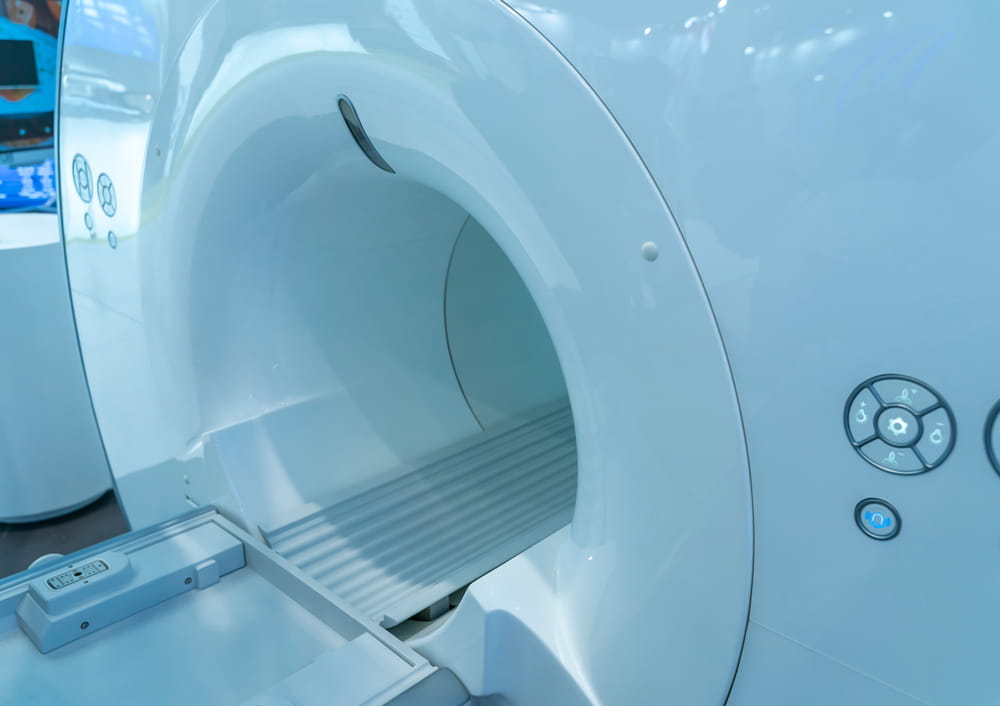
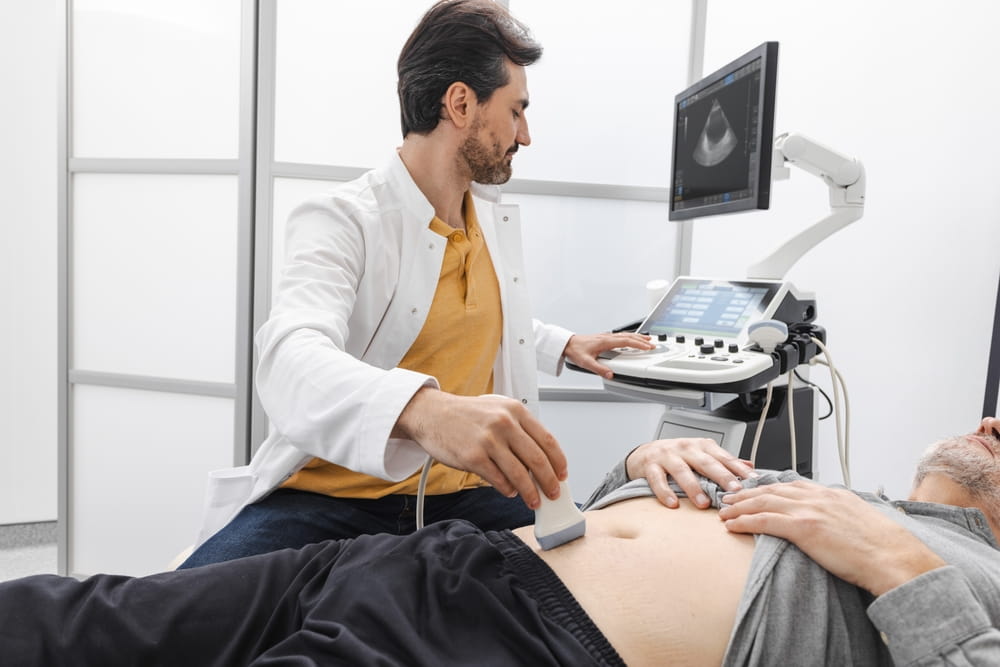
Minimally invasive therapies, including the Tulsa Procedure (Transurethral Ultrasound Ablation) and HIFU (high-intensity focused ultrasound), exemplify the advantages of targeted treatment. Both procedures use sound or thermal energy to ablate cancerous tissue, guided by advanced imaging such as MRI to ensure accurate targeting. This approach allows for highly precise treatment without the need for large incisions or extensive surgical intervention.
MRI guidance enhances safety and effectiveness by providing real-time feedback during treatment. Clinicians can visualize the exact location of tumors, monitor energy delivery, and adjust parameters as needed to ensure complete coverage of the cancerous areas. This integration of imaging and therapy is a major factor in the growing preference for targeted treatments.
Reduced Recovery Times
Because targeted therapies are minimally invasive, recovery is typically faster than traditional surgery or radiation. Patients can often return to daily activities within days or weeks, rather than experiencing extended downtime. This allows men to maintain their lifestyle, continue working, and remain active while still effectively treating prostate cancer.
Faster recovery also reduces the emotional and physical stress associated with treatment. The combination of minimal disruption and effective tumor control supports both physical and mental well-being, which is increasingly recognized as a key aspect of patient-centered prostate care.
Preservation of Function and Quality of Life
Targeted treatments prioritize the preservation of urinary and sexual function, a significant advantage over conventional therapies. By sparing healthy tissue and nerves adjacent to the prostate, men are more likely to retain normal urinary control and sexual performance. This focus on function is particularly important for patients concerned with long-term quality of life after cancer treatment.
Additionally, the precise nature of these therapies reduces the risk of complications such as infection, bleeding, or unintended tissue damage. For many patients, this means a safer treatment experience with fewer follow-up interventions required, enhancing overall confidence in care outcomes.
Personalized and Adaptive Treatment Plans
Targeted prostate cancer therapies are inherently adaptable. Treatment plans can be tailored to tumor location, size, and aggressiveness, as well as the patient’s overall health and personal priorities. This personalization ensures that each patient receives care aligned with their individual needs, maximizing effectiveness while minimizing unnecessary interventions.
Ongoing monitoring through PSA testing and imaging further allows clinicians to track treatment outcomes and adjust plans if needed. This adaptive approach ensures that therapy is not only precise at the time of treatment but continues to support optimal results over time.
Psychological and Emotional Benefits
The benefits of targeted therapy extend beyond physical outcomes. Men often experience reduced anxiety knowing that treatment is concentrated on the affected tissue with minimal collateral damage. Shorter recovery periods, fewer complications, and preservation of function contribute to overall emotional well-being and a sense of control throughout the treatment process.
Educational resources, such as the Patient Experience, help men understand the procedure, what to expect, and how to manage recovery. Feeling informed and supported enhances confidence and satisfaction with care, making targeted treatment a more positive experience overall.
Future Directions in Targeted Therapy
As technology continues to evolve, the precision and effectiveness of targeted prostate cancer treatments are expected to improve further. Advances in imaging, energy delivery systems, and real-time monitoring will enhance accuracy and expand the range of patients who can benefit from these therapies. Personalized, minimally invasive approaches are becoming the standard for men seeking both effective cancer control and quality-of-life preservation.
In conclusion, targeted prostate cancer treatment offers numerous benefits, including precision therapy, preservation of function, shorter recovery, and improved emotional well-being. At Texas Prostate in Farmers Branch, TX, within the Dallas-Fort Worth Metroplex area, men have access to advanced options that combine effectiveness with minimal disruption to daily life, making targeted care a cornerstone of modern prostate cancer management.
Resources
Ahmed, H. U., et al. (2015). Focal Therapy for Localized Prostate Cancer. Journal of Urology.
Valerio, M., et al. (2017). The Role of Focal Therapy in Prostate Cancer Management. European Urology.
Carter, H. B. (2018). American Urological Association Guidelines on Prostate Cancer Detection. Journal of Urology.