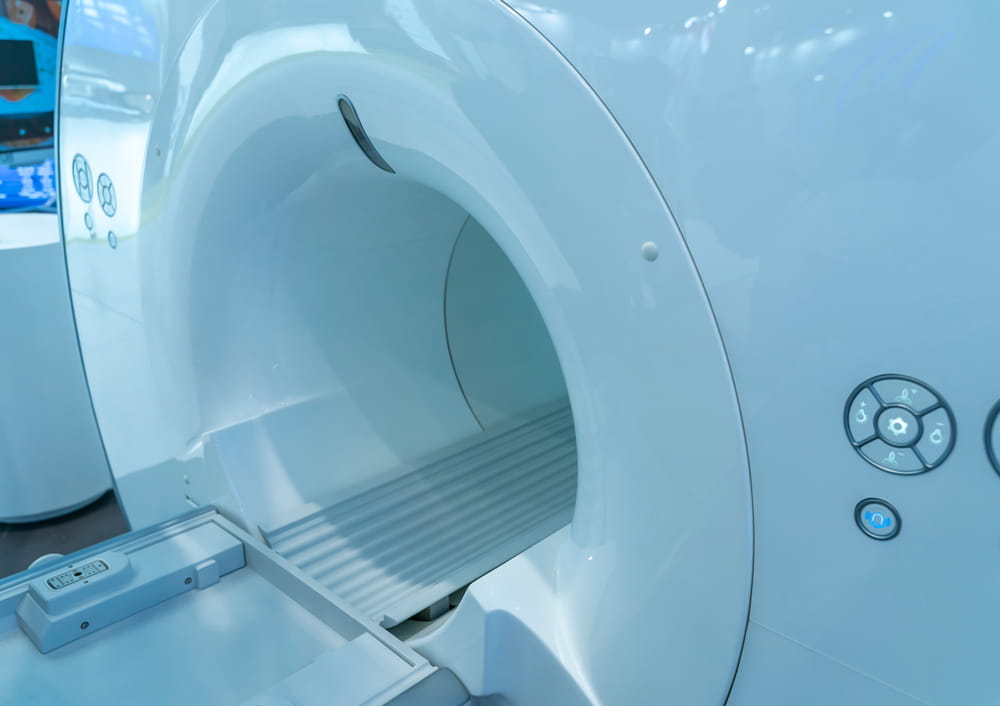

Prostate MRI has become a pivotal tool in modern prostate care, providing detailed imaging that helps clinicians make informed treatment decisions. At Texas Prostate in Farmers Branch, TX, located in the Dallas-Fort Worth Metroplex area, this technology enhances the ability to detect, evaluate, and manage conditions such as prostate cancer and benign prostatic hyperplasia (BPH). By offering a non-invasive, highly accurate view of the prostate, MRI allows clinicians to assess both the location and extent of abnormalities with precision.
Unlike traditional imaging methods, which may provide limited information, prostate MRI delivers a multi-dimensional view of the gland. This includes insights into tissue composition, potential tumor aggressiveness, and areas that may require targeted treatment. As a result, MRI is becoming increasingly integrated into diagnostic protocols and treatment planning for patients with prostate concerns.
Advantages of MRI for Diagnosis
Detecting Significant Lesions
Prostate MRI is especially effective at identifying significant lesions that might be missed with conventional tests such as ultrasound or standard biopsies. It allows clinicians to distinguish between clinically significant cancer and less aggressive changes, helping avoid unnecessary interventions. This precision is critical in ensuring that patients receive appropriate care while minimizing overtreatment.
MRI can also be used to guide biopsies when needed. Targeted biopsies directed by MRI findings improve accuracy and reduce the likelihood of sampling errors, ensuring that tissue evaluation is focused on the areas most likely to harbor disease. This targeted approach enhances diagnostic confidence and can influence subsequent treatment decisions.
Evaluating BPH and Other Conditions
Beyond cancer detection, MRI provides valuable information about benign conditions such as BPH. Detailed imaging helps clinicians assess the degree of prostate enlargement, anatomical changes, and how these may impact urinary function. This information supports decisions regarding minimally invasive treatments and helps guide the selection of therapies that address symptoms effectively.
By understanding both cancerous and non-cancerous changes, MRI enables a more comprehensive evaluation of prostate health. This holistic view is essential for creating individualized treatment plans that prioritize effectiveness and patient comfort.
MRI in Treatment Planning
Targeted and Minimally Invasive Therapies
One of the key benefits of prostate MRI is its role in planning modern, minimally invasive therapies. Procedures such as the Tulsa Procedure (Transurethral Ultrasound Ablation) and HIFU (high-intensity focused ultrasound) rely on MRI for precise targeting of prostate tissue. MRI mapping ensures that only the affected areas are treated, preserving surrounding healthy tissue and reducing the risk of side effects.
This level of precision allows clinicians to deliver focused therapy while maintaining urinary and sexual function. For patients, MRI-guided treatment translates to more confidence in both the safety and effectiveness of the procedure.
Guiding Personalized Treatment Decisions
MRI also enables a personalized approach to prostate care. By providing detailed insights into tumor location, size, and aggressiveness, clinicians can determine whether active surveillance, minimally invasive therapy, or more intensive intervention is most appropriate. This tailored strategy ensures that each patient receives care aligned with their medical needs, preferences, and lifestyle.
Additionally, MRI can help monitor the response to treatment. Follow-up imaging allows clinicians to confirm that therapy has effectively targeted the intended area and to identify any residual or recurring issues early. This continuous feedback loop enhances long-term outcomes and patient confidence.
Reducing Uncertainty and Enhancing Outcomes
Prostate MRI reduces uncertainty in diagnosis and treatment planning, which is particularly important for men considering advanced therapies. Knowing exactly where abnormal tissue is located helps avoid unnecessary treatments and complications. This clarity supports better outcomes, fewer side effects, and a more efficient care process.
Patients also benefit psychologically from the precision and reassurance provided by MRI. Understanding the extent and location of a condition helps men feel more in control of their care and better prepared to make informed decisions about treatment options.
The Future of MRI-Guided Prostate Care
As technology continues to advance, the role of MRI in prostate care is expected to expand. Innovations in imaging resolution, functional assessment, and integration with therapeutic devices will further enhance its utility. MRI-guided procedures represent a convergence of diagnostic and treatment capabilities, offering men more precise, less invasive, and highly individualized care options.
In conclusion, prostate MRI has become an essential tool in modern prostate care, guiding both diagnosis and treatment decisions with unparalleled accuracy. At Texas Prostate in Farmers Branch, TX, within the Dallas-Fort Worth Metroplex area, MRI enhances the ability to deliver precise, personalized, and minimally invasive therapies, ensuring better outcomes and improved quality of life for patients.
Resources
Barzell, W., et al. (2015). MRI-Guided Prostate Interventions: Techniques and Clinical Applications. Journal of Urology.
Ahmed, H. U., et al. (2017). Role of Multiparametric MRI in Prostate Cancer Diagnosis and Management. European Urology.
National Cancer Institute. (2022). Prostate Cancer Screening and Diagnosis (PDQ®)–Patient Version.