Benign prostatic hyperplasia (BPH), commonly known as an enlarged prostate, affects many men as they age. At Texas Prostate in Farmers Branch, TX, located in the Dallas-Fort Worth Metroplex area, awareness of how BPH symptoms can influence daily routines is a crucial aspect of patient education. While the condition is non-cancerous, its effects on urinary function can significantly disrupt both personal comfort and lifestyle.
An enlarged prostate can exert pressure on the urethra, leading to a variety of urinary symptoms. These symptoms often begin gradually, and many men initially dismiss them as normal aging. However, as BPH progresses, even mild symptoms can interfere with sleep, work, and social activities, highlighting the importance of timely evaluation and management.
Common Symptoms and Daily Challenges
Urinary Frequency and Urgency
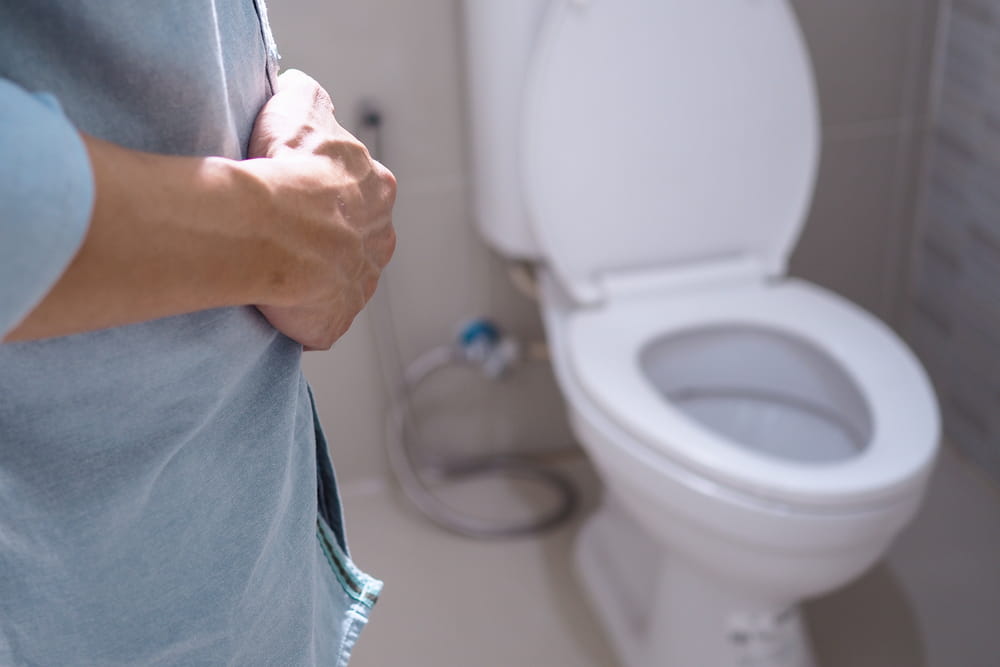
One of the most noticeable effects of BPH is increased urinary frequency. Men may feel the need to urinate more often during the day, which can interfere with work, travel, or social engagements. Nocturia, or frequent nighttime urination, can disrupt sleep, leaving men feeling fatigued and less focused during the day. Over time, this can impact overall quality of life, including mood and energy levels.
Urgency, the sudden and intense need to urinate, can also create discomfort and inconvenience. It may force men to plan their schedules around restroom access, which can restrict activities and social interactions. For some, this symptom can contribute to anxiety or self-consciousness in public settings.
Difficulty Starting and Maintaining Urination
BPH often leads to challenges in initiating urination and maintaining a steady stream. Men may experience hesitation or straining, which prolongs the bathroom visit and can create stress. A weak or interrupted urine flow may also contribute to incomplete bladder emptying, increasing the risk of urinary tract infections and bladder irritation.
These symptoms can affect routine activities such as exercise, long trips, or professional responsibilities. Men may find themselves constantly planning around bathroom breaks, which can diminish independence and reduce overall comfort in daily life.
Emotional and Psychological Effects
Beyond physical discomfort, BPH symptoms can have emotional and psychological impacts. Constant concern over urinary urgency, interrupted sleep, or reduced control can lead to stress, frustration, and decreased confidence. Men may also avoid social situations or physical activities for fear of symptom flare-ups, which can affect relationships and overall well-being.
Addressing both the physical and emotional aspects of BPH is essential for comprehensive care. Understanding the condition, discussing symptoms with a healthcare provider, and exploring management options can help men regain a sense of control and improve quality of life.
Strategies for Managing Daily Life with BPH
Lifestyle Adjustments
Simple lifestyle adjustments can help manage the impact of BPH on daily life. Reducing fluid intake before bedtime, limiting caffeine and alcohol, and practicing bladder training techniques are common strategies to reduce urgency and nocturia. Regular physical activity and weight management can also support urinary health and minimize symptom severity.
These measures may not eliminate symptoms entirely, but they can make daily routines more manageable and reduce disruptions. Combining lifestyle changes with ongoing medical monitoring provides a balanced approach to living comfortably with BPH.
Medical and Minimally Invasive Treatments
For men seeking more definitive management, targeted therapies can help alleviate symptoms. Focused ultrasound treatments, such as the Tulsa Procedure and HIFU, provide minimally invasive options that reduce prostate tissue causing obstruction while preserving healthy function. These approaches are increasingly chosen for their precision, shorter recovery times, and reduced risk of side effects compared to traditional surgical interventions.
Regular follow-up and individualized care plans ensure that treatment aligns with a patient’s lifestyle and symptom severity. Discussing options with a healthcare provider helps men determine the most appropriate approach for their unique situation.
Support and Education for Patients
Education and support play an important role in helping men cope with BPH symptoms. Understanding the condition, knowing what to expect, and learning strategies for symptom management can significantly improve daily life. Resources such as the Patient Experience provide practical guidance and insight into the treatment journey, helping men feel more informed and empowered.
Open communication with healthcare providers allows for tailored care and timely interventions. By addressing both symptoms and lifestyle factors, men can maintain a higher level of comfort and independence despite living with an enlarged prostate.
Conclusion
The symptoms of an enlarged prostate can affect many aspects of daily life, from sleep and work to social activities and emotional well-being. At Texas Prostate in Farmers Branch, TX, within the Dallas-Fort Worth Metroplex area, understanding these challenges and exploring modern, minimally invasive treatment options can help men manage their condition effectively. With proper monitoring, lifestyle adjustments, and innovative therapies, BPH symptoms can be controlled, allowing men to maintain both comfort and quality of life.
Resources
McVary, K. T., et al. (2011). Management of Benign Prostatic Hyperplasia. New England Journal of Medicine.
Djavan, B., & Roehrborn, C. G. (2008). Treatment of Lower Urinary Tract Symptoms Due to Benign Prostatic Hyperplasia. BJU International.
National Institute of Diabetes and Digestive and Kidney Diseases. (2022). Prostate Enlargement (BPH)–Patient Information.