
Prostate cancer treatment has evolved significantly over the past few decades. At Texas Prostate in Farmers Branch, TX, located in the Dallas-Fort Worth Metroplex area, understanding the options available is crucial for men navigating their care. Traditional treatments such as surgery and radiation have long been the standard, but newer technologies, particularly focused ultrasound, are transforming how localized prostate cancer can be managed with precision and fewer side effects.
Traditional approaches often involve removing the prostate (prostatectomy) or targeting it with external radiation. While effective, these methods can carry risks, including urinary incontinence, erectile dysfunction, and longer recovery times. Focused ultrasound represents a shift toward minimally invasive therapy, aiming to target cancerous tissue precisely while preserving healthy structures and minimizing side effects.
How Focused Ultrasound Works
Precision Through Targeted Energy
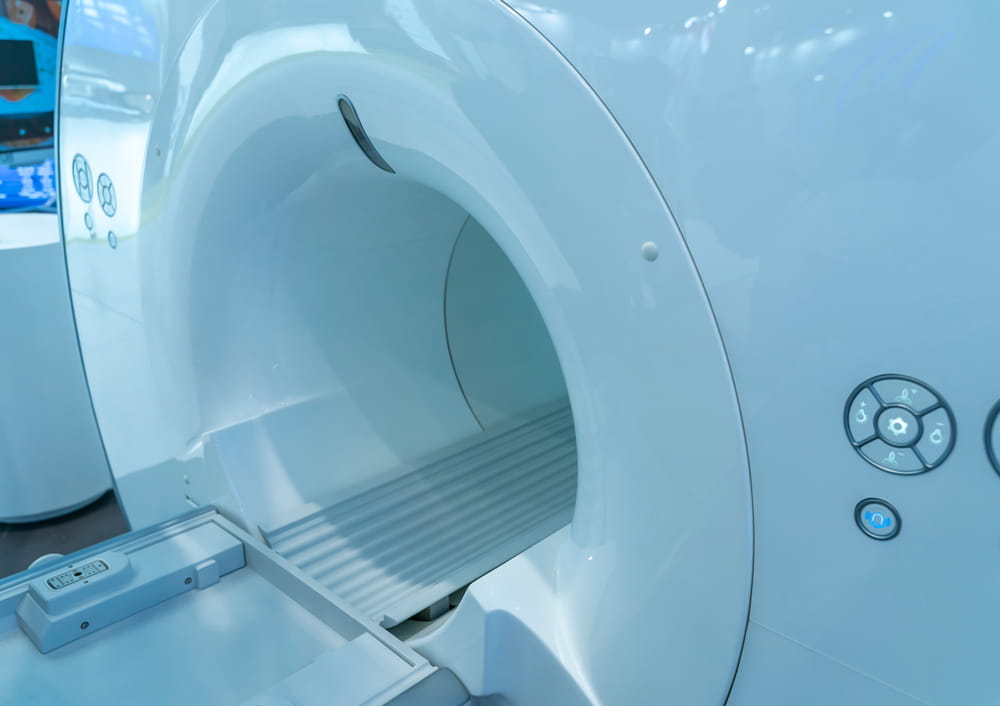
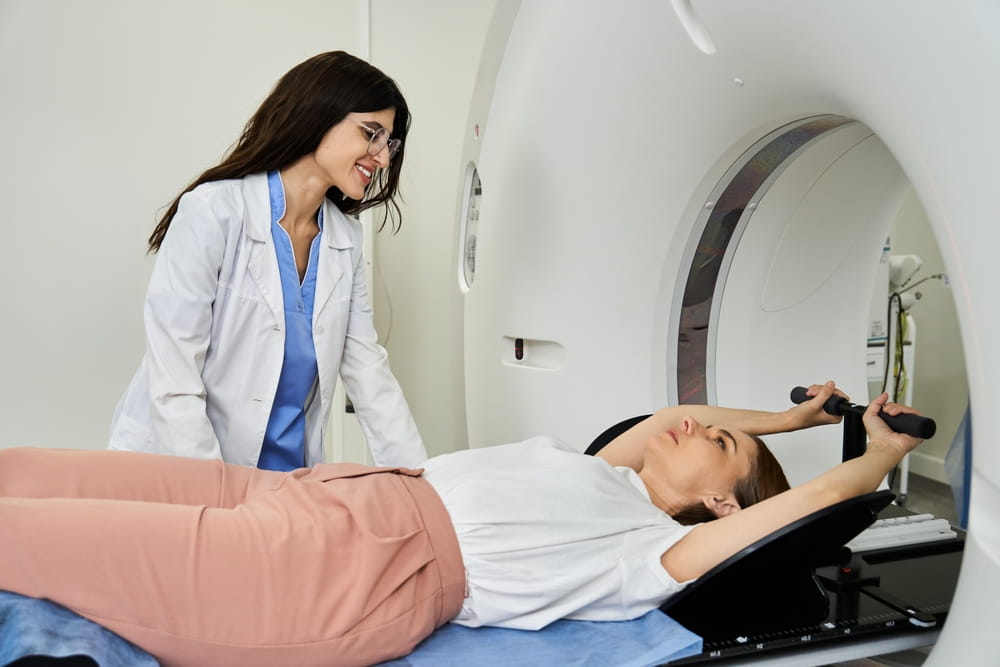
Focused ultrasound uses high-intensity sound waves to heat and destroy cancerous tissue within the prostate. Guided by advanced imaging, such as MRI, clinicians can concentrate energy on specific areas while leaving surrounding tissue intact. This precision reduces the collateral damage often associated with traditional therapies.
The Tulsa Procedure (Transurethral Ultrasound Ablation) and HIFU (high-intensity focused ultrasound) are two examples of this technology in action. Both approaches highlight how focused energy, guided by imaging, can treat prostate tissue accurately without the need for incisions or ionizing radiation. This makes focused ultrasound a compelling alternative for patients who prioritize precision and recovery.
Real-Time Monitoring
One of the key advantages of focused ultrasound is real-time monitoring. Temperature sensors and imaging allow clinicians to adjust energy delivery during the procedure, ensuring that treatment remains confined to the intended areas. This level of control is difficult to achieve with traditional surgery or external radiation, where collateral effects on surrounding tissues can be more pronounced.
Real-time monitoring not only improves safety but also enhances effectiveness. It allows for immediate assessment of treatment coverage and reduces the likelihood of overtreating or undertreating the prostate.
Comparing Recovery and Side Effects
Recovery Times
Traditional prostate surgery typically requires a hospital stay and a recovery period that can span several weeks, depending on the individual. Radiation therapy may involve daily sessions over several weeks and can produce long-term side effects due to the impact on surrounding tissues. Both approaches often involve lifestyle adjustments and monitoring to manage side effects.
In contrast, focused ultrasound is minimally invasive, often performed in a clinical setting with significantly shorter recovery times. Patients frequently return to normal activities within days or weeks, and the procedure avoids surgical incisions, reducing discomfort and infection risk. This faster recovery is one of the reasons many patients are exploring focused ultrasound as an alternative to traditional treatments.
Side Effects and Quality of Life
Preservation of urinary and sexual function is a key consideration in prostate cancer treatment. Traditional treatments can impact these functions due to the involvement of nerves and muscles adjacent to the prostate. Focused ultrasound minimizes these risks by concentrating energy only on targeted tissue, leaving surrounding structures largely intact.
Studies suggest that patients undergoing focused ultrasound experience fewer long-term side effects compared to conventional surgery or radiation. This focus on quality of life is increasingly important for men seeking effective treatment while maintaining daily function and well-being.
Effectiveness and Long-Term Outcomes
Treatment Success
Focused ultrasound is highly effective for localized prostate cancer, with outcomes comparable to traditional approaches in carefully selected patients. Its precision allows for targeted ablation of cancerous tissue, reducing the likelihood of recurrence while minimizing unnecessary tissue damage.
Long-term monitoring, including PSA testing and imaging, is essential to assess the success of treatment and detect any recurrence early. In many cases, focused ultrasound can be repeated or combined with other therapies if needed, offering flexibility that traditional treatments do not always provide.
Personalized Approach
The ability to tailor treatment to the individual patient is another advantage of focused ultrasound. The location, size, and number of cancerous lesions can be mapped with advanced imaging, allowing clinicians to design a procedure that targets only the affected areas. This personalized approach aligns with modern goals of prostate care, emphasizing both effectiveness and patient quality of life.
Patient Considerations and Decision-Making
Choosing between focused ultrasound and traditional prostate cancer treatments depends on several factors, including cancer stage, overall health, personal preferences, and lifestyle considerations. Patients may weigh the invasiveness of surgery, the long-term effects of radiation, and the recovery timeline against the minimally invasive nature, precision, and potential preservation of function offered by focused ultrasound.
Being informed about the benefits and limitations of each approach is critical. Resources like the Patient Experience can help men understand what to expect from focused ultrasound treatment and how it may compare to conventional therapies. This knowledge empowers patients to make decisions that align with both medical needs and personal priorities.
The Future of Focused Ultrasound
Focused ultrasound represents a growing shift in prostate cancer treatment, emphasizing precision, minimally invasive techniques, and preservation of function. Ongoing research is refining these technologies, expanding their applications, and improving outcomes. As imaging and monitoring tools continue to advance, focused ultrasound is likely to play an increasingly prominent role in prostate care.
In conclusion, focused ultrasound offers a modern, patient-centered alternative to traditional prostate cancer treatments. At Texas Prostate in Farmers Branch, TX, within the Dallas-Fort Worth Metroplex area, understanding the differences between these approaches helps men make informed decisions and choose the therapy that best fits their health goals and lifestyle.
Resources
Ahmed, H. U., et al. (2015). Focal Therapy for Localized Prostate Cancer. Journal of Urology.
Valerio, M., et al. (2017). The Role of Focal Therapy in Prostate Cancer Management. European Urology.
McVary, K. T., et al. (2011). Management of Benign Prostatic Hyperplasia. New England Journal of Medicine.