Advancements in medical technology are reshaping how prostate conditions are treated, with a growing emphasis on precision and patient-centered outcomes. At Texas Prostate in Farmers Branch, TX, located in the Dallas-Fort Worth Metroplex area, these innovations are part of a larger shift toward minimally invasive therapies that prioritize both effectiveness and quality of life. Among the most notable developments is MRI-guided TULSA Pro®, a cutting-edge approach that uses focused ultrasound to treat prostate tissue with exceptional accuracy.
Unlike traditional treatment methods that often affect the entire prostate gland, MRI-guided TULSA Pro® is designed to target only the necessary areas. This focused approach allows for tailored treatment that aligns with each patient’s specific condition, whether addressing prostate cancer or benign prostatic hyperplasia (BPH). By combining real-time imaging with controlled energy delivery, this technology represents a significant step forward in modern prostate care.
Understanding MRI-Guided TULSA Pro® Technology
What Is TULSA Pro®?
MRI-guided TULSA Pro® stands for Transurethral Ultrasound Ablation, a technique that delivers therapeutic ultrasound energy directly to prostate tissue. The procedure involves inserting a specialized device into the urethra, which then emits directional ultrasound waves to heat and destroy targeted tissue. What sets this approach apart is its ability to be guided and monitored in real time using MRI technology.
For a deeper understanding of the treatment itself, the Tulsa Procedure explains how this method applies focused ultrasound in a controlled and highly precise manner. The integration of MRI guidance ensures that every step of the process is carefully planned and executed, reducing uncertainty and enhancing overall treatment accuracy.
The Role of MRI Guidance
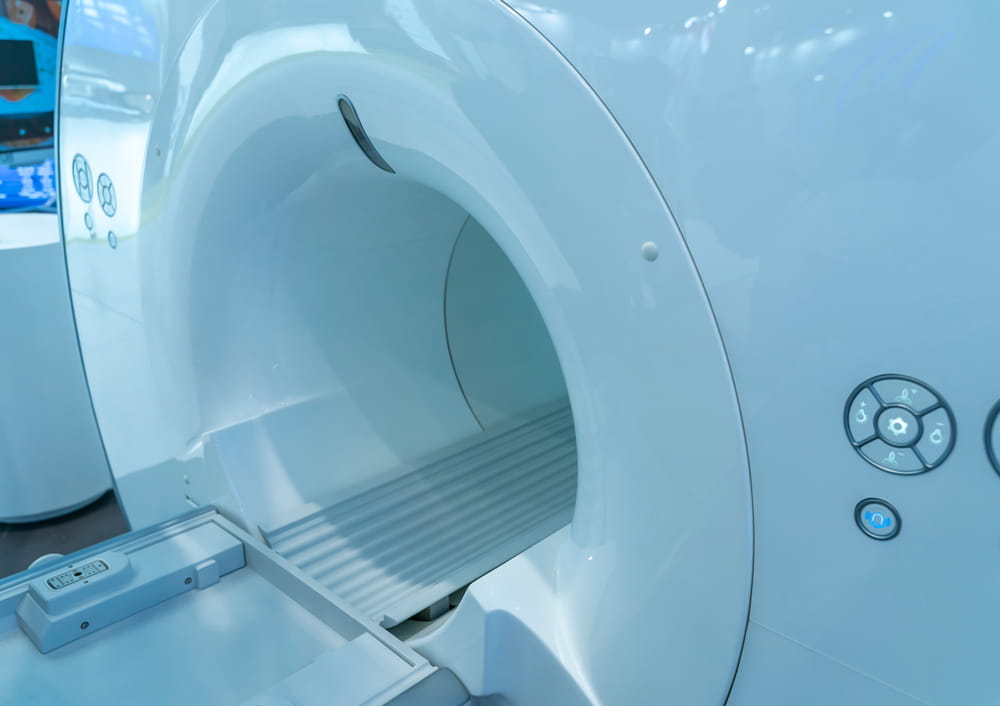
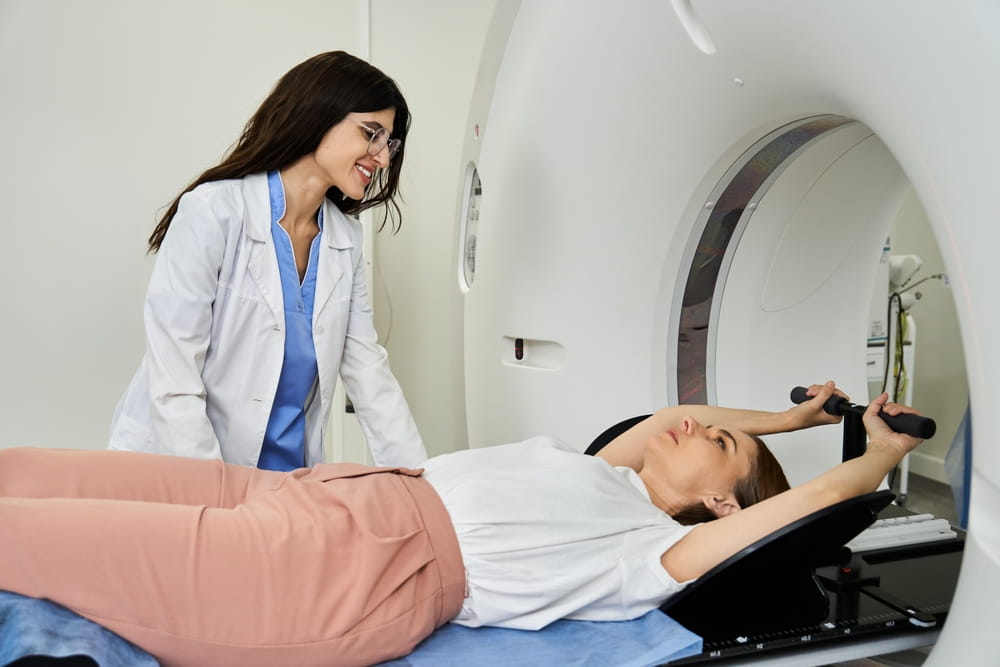
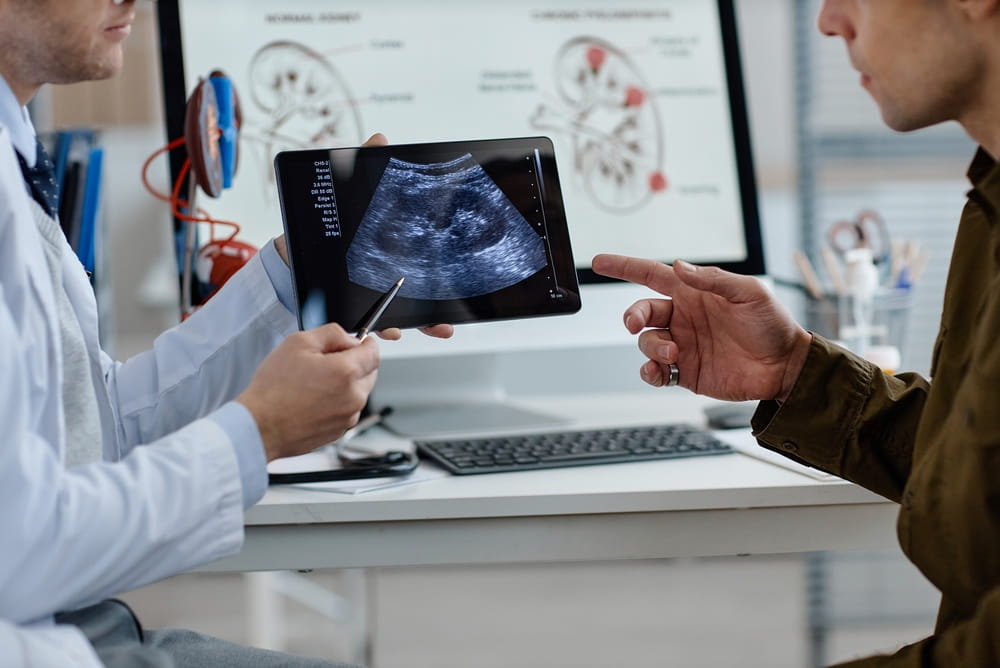
Magnetic resonance imaging (MRI) plays a central role in the TULSA Pro® system. Before treatment begins, MRI scans provide detailed images of the prostate and surrounding structures, allowing clinicians to map out the exact areas that require attention. During the procedure, MRI continues to provide real-time feedback, including temperature monitoring, which ensures that the targeted tissue is treated effectively while protecting nearby healthy structures.
This level of control is a defining feature of MRI-guided therapy. By continuously visualizing the treatment area, clinicians can make immediate adjustments as needed, ensuring optimal outcomes. The combination of imaging and therapy in a single session is a powerful example of how technology is advancing precision medicine.
How Precision Targeting Works
Controlled Energy Delivery
The precision of MRI-guided TULSA Pro® lies in its ability to deliver ultrasound energy in a highly controlled manner. The device emits directional sound waves that converge on specific areas of the prostate, generating heat that destroys targeted tissue. Because the energy is carefully focused, it minimizes exposure to surrounding structures such as nerves and muscles.
This controlled delivery system allows for customization based on the patient’s anatomy and treatment goals. Whether the objective is to treat a localized tumor or reduce excess prostate tissue, the approach can be adjusted to achieve the desired outcome. This flexibility is one of the reasons why TULSA Pro® is considered a transformative advancement in prostate care.
Real-Time Temperature Monitoring
Another key component of precision targeting is real-time temperature monitoring. MRI technology enables clinicians to track temperature changes within the prostate during the procedure, ensuring that the tissue reaches the therapeutic threshold needed for effective treatment. At the same time, it helps prevent overheating of adjacent areas, which could lead to unwanted side effects.
This feedback loop enhances both safety and efficacy. By maintaining precise control over temperature and energy delivery, the procedure achieves consistent and predictable results. This level of accuracy is difficult to achieve with older treatment methods, making MRI-guided TULSA Pro® a standout option in modern prostate therapy.
Benefits of MRI-Guided TULSA Pro®
One of the most significant advantages of MRI-guided TULSA Pro® is its minimally invasive nature. The procedure does not require surgical incisions, which reduces the risk of complications and shortens recovery time. Patients often experience a quicker return to normal activities compared to more invasive treatments.
Another important benefit is the preservation of surrounding healthy tissue. Because the treatment is so precisely targeted, it helps maintain functions that are critical to quality of life, such as urinary control and sexual health. This focus on preserving normal function is a major factor driving interest in focused ultrasound therapies.
Additionally, the customization offered by MRI-guided treatment allows for a more personalized approach. Each procedure is tailored to the patient’s unique anatomy and condition, ensuring that care is both effective and aligned with individual goals. For those exploring different focused ultrasound options, HIFU provides another example of how targeted energy can be used to treat prostate tissue with precision.
Patient Experience and Recovery
What Patients Can Expect
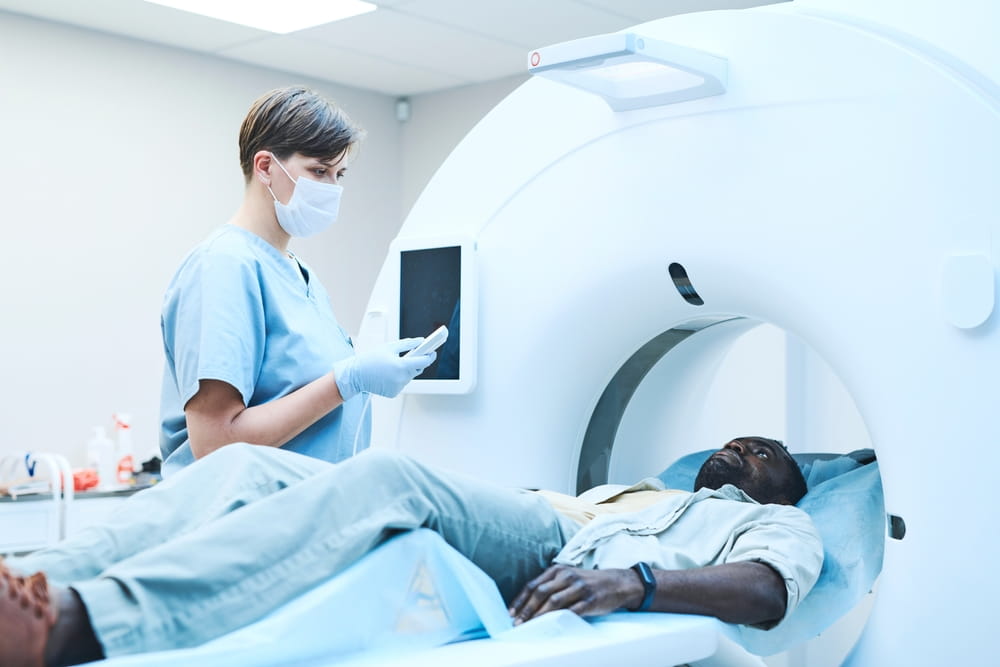
The patient experience with MRI-guided TULSA Pro® is designed to be as comfortable and efficient as possible. The procedure is typically performed in a controlled clinical setting, with advanced imaging and monitoring systems ensuring accuracy throughout. Because it is minimally invasive, patients often experience less discomfort during and after the procedure.
Recovery is generally straightforward, with many individuals resuming normal activities within a relatively short period. The reduced physical impact of the procedure contributes to a smoother overall experience, which can be especially important for patients seeking alternatives to more invasive treatments. Learning more about the Patient Experience can provide additional insight into the treatment journey.
Follow-Up and Long-Term Care
After the procedure, follow-up care focuses on monitoring outcomes and ensuring that treatment goals have been achieved. Imaging and clinical evaluations help assess the effectiveness of the therapy and guide any additional care if needed. Because of the precision of the treatment, it is often easier to evaluate results and make informed decisions about next steps.
The ability to monitor and adapt over time adds another layer of confidence for patients. This ongoing care approach ensures that treatment remains aligned with the patient’s needs, supporting both short-term recovery and long-term health.
The Future of Precision Prostate Treatment
MRI-guided TULSA Pro® represents a broader trend toward precision medicine, where treatments are tailored to the individual rather than applied uniformly. As technology continues to advance, the integration of imaging, data analysis, and targeted therapy is expected to become even more refined.
Future developments may include enhanced imaging techniques, improved treatment planning tools, and greater accessibility to these advanced therapies. These innovations have the potential to further improve outcomes and expand the range of conditions that can be treated with focused ultrasound.
In conclusion, MRI-guided TULSA Pro® is transforming prostate care by offering a precise, controlled, and minimally invasive approach to treating prostate tissue. At Texas Prostate in Farmers Branch, TX, within the Dallas-Fort Worth Metroplex area, this technology highlights the evolving landscape of prostate treatment and the growing importance of accuracy, safety, and patient-centered care.
Resources
Chin, J. L., et al. (2016). Magnetic Resonance Imaging-Guided Transurethral Ultrasound Ablation of Prostate Tissue. European Urology.
Raman, S. S., et al. (2019). MRI-Guided Prostate Ablation Techniques. Radiologic Clinics of North America.
National Cancer Institute. (2022). Prostate Cancer Treatment (PDQ®)–Patient Version.