
Localized prostate cancer refers to cancer that is confined within the prostate gland and has not spread to nearby tissues or distant organs. At Texas Prostate in Farmers Branch, TX, located in the Dallas-Fort Worth Metroplex area, understanding this stage of cancer is critical for choosing appropriate treatment strategies. Early detection at this stage often allows for a broader range of treatment options and a better prognosis compared to more advanced stages.
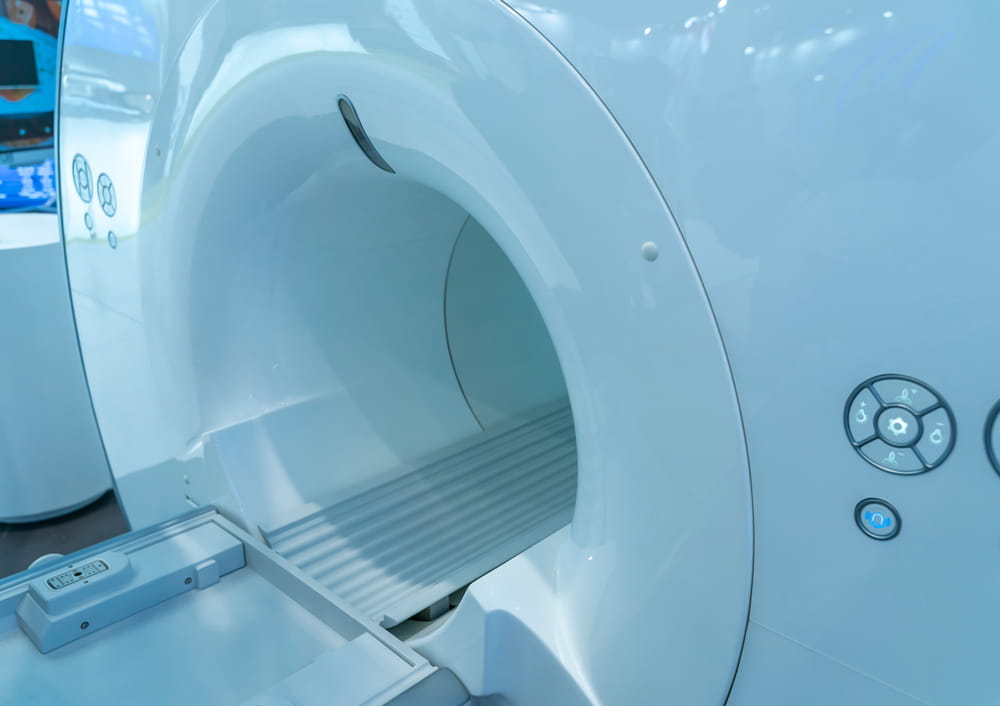
Localized prostate cancer may be asymptomatic in many men, making routine screening and monitoring essential. Common diagnostic tools include PSA testing, digital rectal exams, and advanced imaging such as multiparametric MRI. Identifying cancer early allows clinicians to tailor treatment plans to the individual patient, balancing effectiveness with quality-of-life considerations.
Symptoms and Early Detection
Recognizing Potential Signs
Many men with localized prostate cancer do not experience noticeable symptoms initially. When symptoms do appear, they can include urinary frequency, difficulty starting or maintaining urination, weak urine flow, or mild pelvic discomfort. Because these signs often overlap with benign conditions such as BPH, diagnostic testing is crucial for accurate identification.
Early detection plays a critical role in treatment success. Regular PSA testing, combined with careful evaluation of risk factors such as age, family history, and lifestyle, helps identify men who may benefit from further imaging or biopsy. Early-stage diagnosis also opens the door to less invasive treatment options, improving the balance between cancer control and maintaining normal function.
Risk Factors and Screening
Age, family history, and genetics are significant risk factors for localized prostate cancer. Men over 50, particularly those with a family history of prostate cancer, are encouraged to undergo regular screenings. Understanding personal risk can help men make informed decisions about when and how frequently to test, ultimately increasing the likelihood of early detection.
Screening and proactive evaluation allow clinicians to monitor changes over time and identify potentially aggressive tumors before they progress. This vigilance helps ensure that treatment can be targeted appropriately, minimizing overtreatment while maximizing outcomes.
Treatment Options for Localized Prostate Cancer
Active Surveillance
For certain men with low-risk, localized cancer, active surveillance may be recommended. This approach involves regular monitoring with PSA testing, MRI, and periodic biopsies to track tumor growth without immediate intervention. Active surveillance allows men to delay or avoid treatment-related side effects while ensuring that any changes are detected early.
This approach is particularly appealing for older patients or those with slow-growing tumors. By carefully monitoring the condition, clinicians can intervene promptly if there is evidence of progression, providing a balance between safety and quality of life.
Minimally Invasive Focused Therapies
Minimally invasive treatments, such as the Tulsa Procedure (Transurethral Ultrasound Ablation) and HIFU (high-intensity focused ultrasound), are increasingly utilized for localized prostate cancer. These therapies use targeted energy to ablate cancerous tissue while preserving surrounding healthy structures. MRI guidance ensures that the treatment is delivered precisely, reducing the risk of side effects such as urinary incontinence or sexual dysfunction.
These options are often preferred by men seeking effective treatment with minimal disruption to daily life. Shorter recovery times, fewer complications, and precision targeting make focused therapies a compelling alternative to traditional surgery or radiation in appropriate cases.
Advantages of Early Detection and Targeted Care
Localized prostate cancer offers a unique advantage: the opportunity for early, targeted intervention. By identifying cancer confined to the prostate, clinicians can select therapies that balance effective tumor control with preservation of urinary and sexual function. This focus on precision and quality of life aligns with modern principles of patient-centered care.
MRI-guided approaches, minimally invasive techniques, and ongoing monitoring allow men to receive care that is both effective and tailored to their individual needs. This comprehensive approach increases confidence in treatment outcomes and supports better long-term health.
The Patient Experience and Quality of Life
Understanding localized prostate cancer also involves considering the patient experience. Modern approaches emphasize education, support, and informed decision-making. By providing detailed guidance on symptoms, treatment options, and follow-up care, clinics help men navigate their diagnosis with greater confidence and less anxiety.
Resources such as the Patient Experience provide insight into the treatment journey, highlighting the steps patients may encounter before, during, and after therapy. This transparency and support empower men to actively participate in their care and make choices that reflect their values and goals.
Conclusion
Localized prostate cancer represents a stage where early detection and precision treatment can have the greatest impact. At Texas Prostate in Farmers Branch, TX, within the Dallas-Fort Worth Metroplex area, understanding the disease, recognizing risk factors, and exploring modern, minimally invasive treatment options allows men to achieve effective care while preserving quality of life. Patient education, personalized monitoring, and innovative therapies form the cornerstone of modern prostate cancer management.
Resources
Carter, H. B. (2018). American Urological Association Guidelines on Prostate Cancer Detection. Journal of Urology.
Ahmed, H. U., et al. (2015). Focal Therapy for Localized Prostate Cancer. Journal of Urology.
National Cancer Institute. (2022). Prostate Cancer Treatment (PDQ®)–Patient Version.