
Selecting the right diagnostic tests is one of the most critical steps in determining whether a patient is a suitable candidate for the TULSA Procedure, or Transurethral Ultrasound Ablation. At Texas Prostate, located in Farmers Branch within the Dallas-Fort Worth Metroplex near Addison, the emphasis on precision and individualized evaluation reflects how essential proper diagnostics are in guiding treatment decisions. Without a clear and complete understanding of the prostate condition, even the most advanced therapies cannot be optimally applied.
Prostate conditions such as localized prostate cancer or benign prostatic hyperplasia (BPH) require a nuanced approach to diagnosis. Each patient presents with unique clinical features, including prostate size, tumor location, and overall health status. Diagnostic testing provides the foundation for identifying these variables, helping clinicians determine not only the presence of disease but also its extent and aggressiveness. This level of detail is particularly important when considering minimally invasive therapies like TULSA, which rely on precise targeting of prostate tissue.
Imaging Tests: Mapping the Prostate with Precision
The Role of MRI and Advanced Imaging
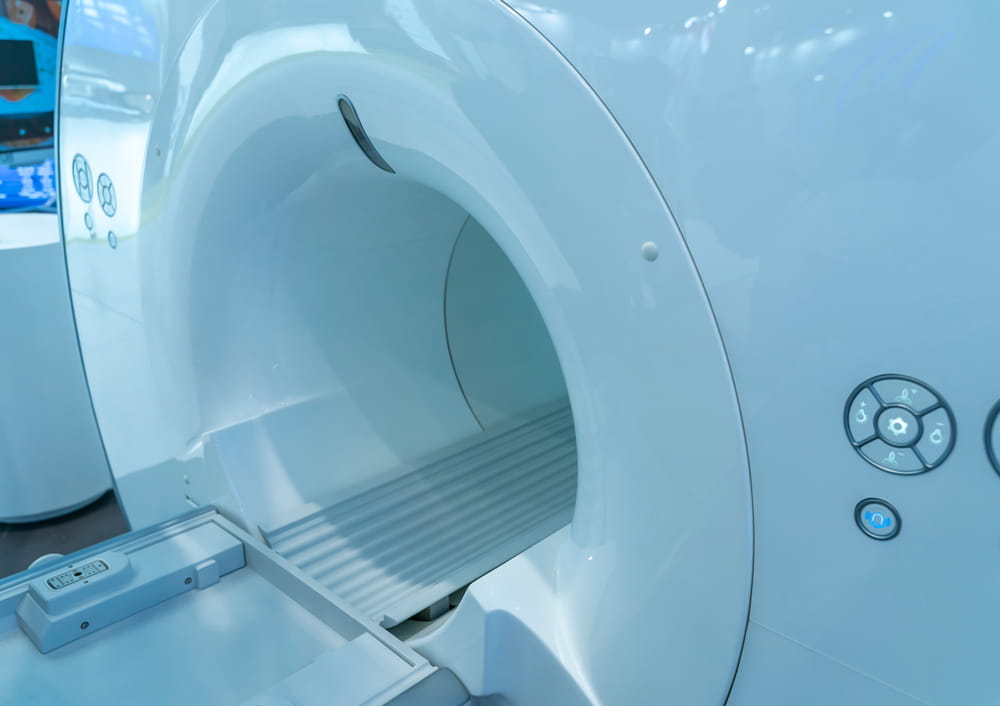
Imaging plays a central role in evaluating eligibility for the TULSA Procedure. Among the available modalities, multiparametric MRI (mpMRI) is widely regarded as one of the most effective tools for visualizing prostate anatomy and identifying suspicious lesions. This type of imaging provides detailed information about tumor size, location, and potential spread beyond the prostate capsule, all of which are essential for treatment planning.
mpMRI is particularly valuable because TULSA is performed under real-time MRI guidance. This means that the same imaging technology used during diagnosis also supports the procedure itself, ensuring accurate targeting and continuous monitoring. By selecting high-quality imaging early in the diagnostic process, patients and providers can align their evaluation with the requirements of the treatment, improving both safety and effectiveness.
In some cases, additional imaging studies such as CT scans or bone scans may be recommended, particularly if there is concern about more advanced disease. While these are not always necessary for TULSA eligibility, they can provide important context when assessing whether the cancer is confined to the prostate. The goal is to ensure that the chosen treatment matches the extent of the disease, avoiding both under-treatment and unnecessary interventions.
Laboratory Testing: Understanding PSA and Beyond
Key Blood and Urine Markers
Laboratory testing is another essential component of determining eligibility for TULSA. The prostate-specific antigen (PSA) test is often the starting point, providing a measurable indicator of prostate activity. Elevated PSA levels can signal the presence of prostate cancer or other conditions such as BPH or inflammation. However, PSA alone is not sufficient to make treatment decisions, as levels can vary for many reasons.
To gain a more comprehensive understanding, clinicians may evaluate PSA trends over time, including velocity and density. These metrics help distinguish between slow-growing and more aggressive disease. Additional blood or urine tests may also be used to refine risk assessment, offering further insight into the likelihood of clinically significant cancer.
These laboratory findings are used in conjunction with imaging results to create a complete clinical picture. For patients considering the TULSA Procedure, this combined approach ensures that treatment decisions are based on robust and reliable data. The goal is to identify patients who are most likely to benefit from targeted ultrasound therapy while minimizing unnecessary risks.
Genetic and Genomic Testing: Personalizing Risk Assessment
The Growing Role of Precision Medicine
Genetic and genomic testing has become an increasingly important tool in prostate cancer evaluation. These tests analyze either inherited genetic mutations or the activity of specific genes within tumor cells to provide insight into disease behavior. For patients considering TULSA, this information can be particularly valuable in determining whether the cancer is likely to remain localized or become more aggressive over time.
Genomic assays can help stratify patients into different risk categories, guiding decisions about whether a focal therapy approach is appropriate. For example, patients with low- to intermediate-risk disease may be ideal candidates for TULSA, while those with high-risk features may require alternative strategies. By incorporating genetic data into the diagnostic process, clinicians can offer a more personalized and evidence-based recommendation.
It is important to note that genetic testing is not necessary for every patient, but it can provide an additional layer of confidence in certain cases. When used alongside imaging and laboratory results, it enhances the overall accuracy of the evaluation, helping to ensure that each patient receives the most appropriate care for their specific condition.
Integrating Diagnostic Results for Treatment Planning
A Comprehensive Evaluation Approach
No single test can determine eligibility for the TULSA Procedure on its own. Instead, clinicians rely on a combination of imaging, laboratory, and genetic data to form a comprehensive assessment. This integrated approach allows for a more accurate understanding of the disease and supports better-informed treatment decisions.
For example, imaging may reveal the precise location of a tumor, while PSA levels indicate its activity, and genomic testing provides insight into its aggressiveness. Together, these data points create a detailed profile that can guide the selection of therapy. This is especially important for TULSA, where precise targeting and patient selection are key to achieving optimal outcomes.
Patients also play an important role in this process. Understanding the purpose and implications of each test can help individuals feel more confident in their care decisions. Educational resources and clear communication are essential in ensuring that patients are fully informed and engaged throughout the diagnostic journey, which is a core aspect of a strong Patient Experience.
Comparing TULSA Eligibility with Other Ultrasound-Based Therapies
Understanding Where HIFU Fits
While TULSA is a highly advanced option, it is not the only ultrasound-based therapy available for prostate conditions. Another approach, HIFU (high intensity focused ultrasound), also uses targeted energy to treat prostate tissue. Understanding the differences between these therapies can help clarify why certain diagnostic tests are emphasized when evaluating TULSA eligibility.
For instance, TULSA’s reliance on real-time MRI guidance places a greater emphasis on high-quality imaging during the diagnostic phase. In contrast, other therapies may use different imaging or targeting methods. This distinction highlights why selecting the appropriate diagnostic tests is so important—not only to confirm the presence of disease but also to match the patient with the most suitable treatment approach.
By comparing these options, patients can better appreciate the role of diagnostics in personalized care. Each therapy has its own requirements and advantages, and thorough evaluation ensures that the chosen method aligns with the patient’s specific clinical profile.
Making Informed Decisions About Your Care
Choosing the right diagnostic tests is a critical step in determining whether TULSA is an appropriate treatment option. From advanced imaging techniques like mpMRI to detailed laboratory analyses and genetic testing, each component contributes to a clearer understanding of prostate health. This comprehensive approach supports more accurate diagnoses, better patient selection, and ultimately improved outcomes.
For individuals exploring their options, taking the time to understand the purpose and value of each test can make a significant difference. At Texas Prostate in Farmers Branch, serving the Dallas-Fort Worth Metroplex near Addison, the focus on thorough evaluation and patient-centered care underscores the importance of informed decision-making. By prioritizing accurate diagnostics, patients and providers can work together to identify the most effective path forward, including whether the TULSA Procedure is the right fit.
Resources
National Comprehensive Cancer Network. (2023). Prostate Cancer Clinical Practice Guidelines in Oncology.
Ahmed, H. U., et al. (2017). Diagnostic accuracy of multi-parametric MRI in prostate cancer. The Lancet.
Cucchiara, V., et al. (2018). Genomic markers in prostate cancer decision making. European Urology.