TULSA Pro® (Transurethral Ultrasound Ablation) and HIFU (High-Intensity Focused Ultrasound) are two advanced, minimally invasive therapies used to treat localized prostate conditions, including prostate cancer. At Texas Prostate in Farmers Branch, TX, located in the Dallas-Fort Worth Metroplex area, both therapies are recognized for their precision, targeted treatment, and ability to preserve surrounding tissue. While both procedures use focused energy to ablate cancerous tissue, they differ in their approach, guidance systems, and procedural delivery, which can influence treatment outcomes and patient experience.
TULSA Pro® delivers controlled ultrasound energy from within the urethra, targeting the prostate tissue from the inside out. HIFU, on the other hand, typically applies high-intensity focused ultrasound transrectally, directing energy through the rectal wall to reach prostate tissue. Both methods rely on advanced imaging to ensure precision, but the route of energy delivery and monitoring techniques distinguish the two treatments in terms of accuracy, procedural workflow, and patient recovery.
Precision and Imaging Guidance
TULSA Pro®: MRI-Guided Control
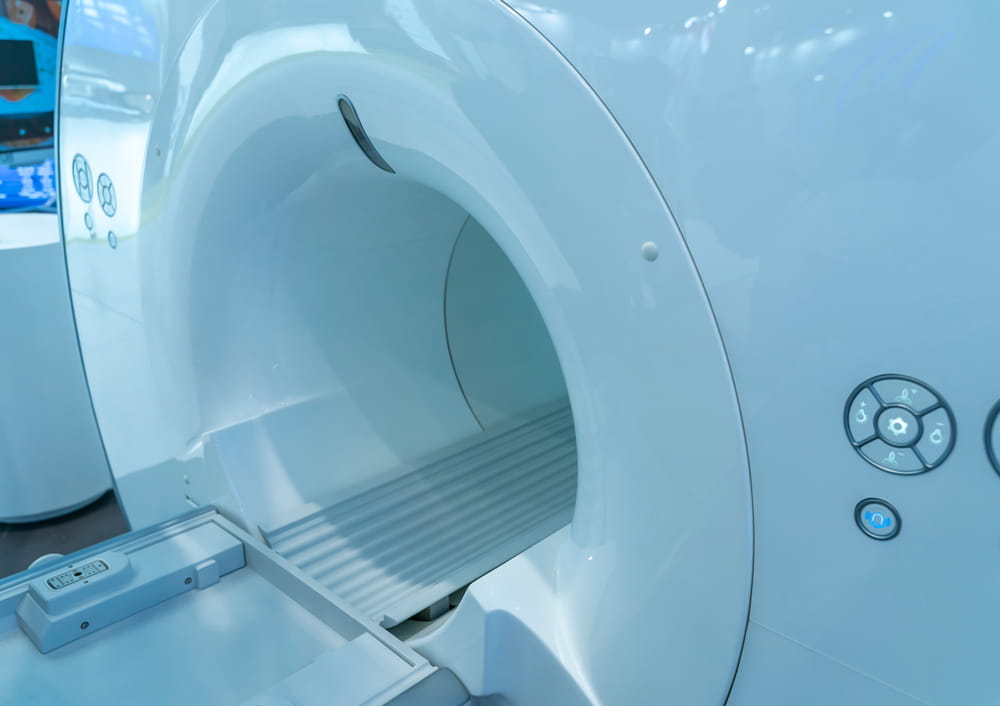
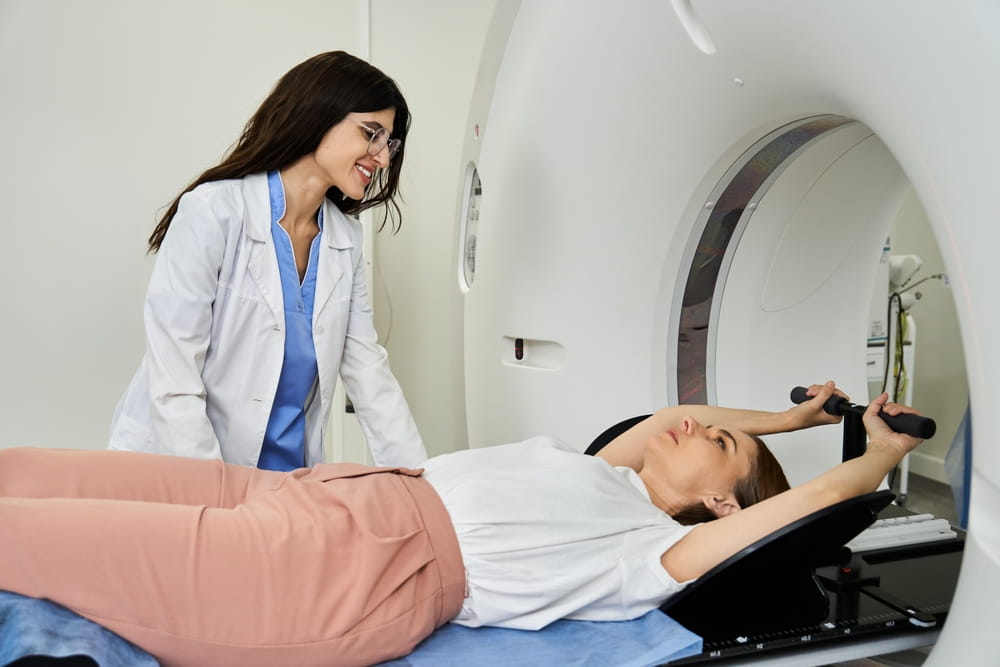
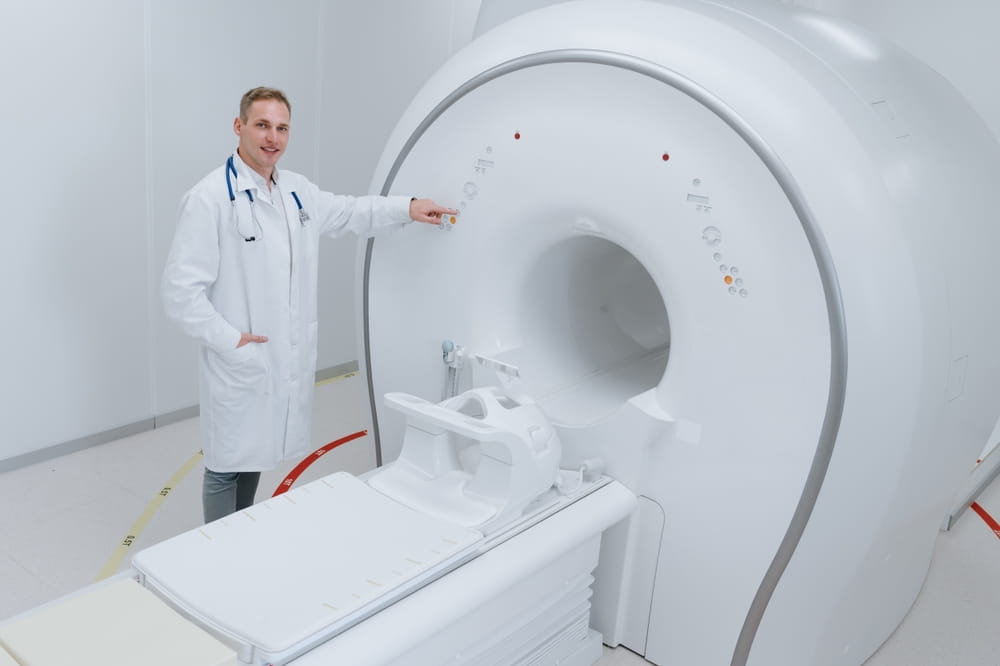
TULSA Pro® leverages real-time MRI guidance to provide a highly controlled ablation process. MRI imaging allows clinicians to monitor energy delivery, prostate temperature, and treatment boundaries in real time, ensuring that only targeted tissue is affected. This precision minimizes collateral damage to surrounding structures, including nerves responsible for urinary and sexual function.
HIFU: Ultrasound-Guided Ablation
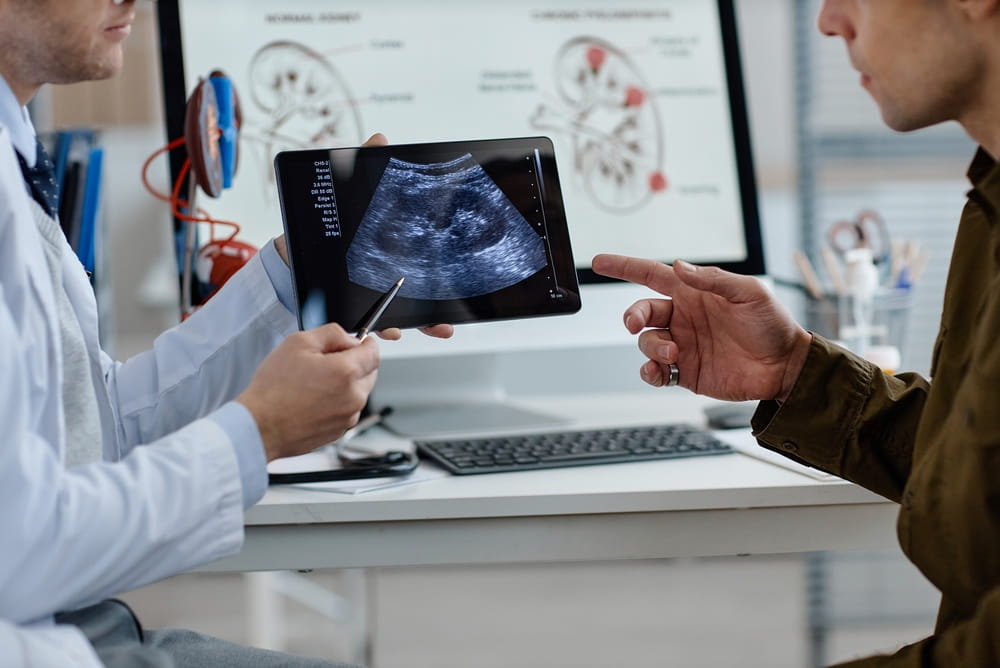
HIFU typically uses transrectal ultrasound for guidance, which provides imaging feedback during the procedure but differs from MRI in resolution and tissue visualization. Ultrasound guidance enables clinicians to focus high-intensity sound waves on cancerous tissue with minimal invasiveness. While effective, ultrasound imaging may offer slightly less detailed visualization compared to MRI, which can influence the extent of tissue monitoring and targeting accuracy.
Procedural Differences and Patient Experience
Approach and Invasiveness
TULSA Pro® is delivered transurethrally, meaning the ultrasound probe is inserted through the urethra to access the prostate. This inside-out approach allows precise control over the ablation radius and reduces the risk of damaging surrounding tissues. HIFU, in contrast, is applied transrectally, which directs energy through the rectal wall. Both approaches are minimally invasive and avoid traditional surgery, but the routes can influence patient positioning, procedural duration, and monitoring requirements.
Recovery and Side Effects
Both TULSA Pro® and HIFU offer shorter recovery times compared to traditional prostate surgery, with many patients returning to normal activities within days to weeks. However, TULSA Pro®’s MRI-guided precision may further reduce the likelihood of side effects such as urinary incontinence and erectile dysfunction. HIFU also minimizes these risks compared to surgery but may involve slightly more variability depending on tumor location and tissue accessibility.
Patients typically experience minimal post-procedural discomfort with either therapy, and the non-invasive nature allows avoidance of hospital stays, large incisions, and prolonged downtime. The recovery experience is generally favorable, contributing to high patient satisfaction.
Treatment Customization and Outcomes
Both TULSA Pro® and HIFU enable personalized treatment planning based on tumor location, prostate size, and patient goals. TULSA Pro® allows for precise ablation of specific regions or the entire prostate, guided by real-time MRI feedback, while HIFU delivers focused energy to targeted lesions, sometimes requiring multiple sessions depending on tumor size and location.
Long-term outcomes for both therapies are promising, particularly for men with localized prostate cancer or symptomatic BPH. Both options aim to control disease while preserving quality of life, though the precision of MRI-guided TULSA Pro® may offer enhanced confidence in tissue targeting and functional preservation.
Choosing Between TULSA Pro® and HIFU
When evaluating which therapy may be most suitable, factors to consider include prostate size, tumor location, personal health goals, and desired recovery experience. TULSA Pro® may be preferred for patients seeking MRI-guided precision with enhanced control over tissue ablation, while HIFU offers a well-established, minimally invasive alternative with transrectal delivery and strong clinical outcomes.
Discussing these options with a healthcare provider and reviewing individualized imaging results helps ensure the treatment plan aligns with patient priorities, whether minimizing side effects, optimizing recovery, or targeting specific areas of the prostate.
Conclusion
Both TULSA Pro® and HIFU represent modern, minimally invasive approaches to prostate treatment, offering precision, targeted therapy, and faster recovery compared to traditional surgery. At Texas Prostate in Farmers Branch, TX, within the Dallas-Fort Worth Metroplex area, understanding the distinctions between these therapies helps men make informed decisions based on their unique health needs and treatment goals. By leveraging advanced imaging and focused energy delivery, both options provide effective management of prostate cancer and other prostate conditions while prioritizing patient comfort and quality of life.
Resources
Ahmed, H. U., et al. (2015). Focal Therapy for Localized Prostate Cancer. Journal of Urology.
Valerio, M., et al. (2017). The Role of Focal Therapy in Prostate Cancer Management. European Urology.
McVary, K. T., et al. (2011). Management of Benign Prostatic Hyperplasia. New England Journal of Medicine.